

 lOG IN





From Instagram feeds to AI-generated artworks, Pop Art has quietly evolved into the visual language of the digital age. This article traces how Pop Art’s obsession with images, repetition, and mass culture now shapes online platforms, contemporary artists, and global visual identity proving that Pop Art didn’t end, it transformed.
Lifestyle
As Pop Art moved into the 1990s and early 2000s, images stopped behaving like decoration and began operating as a global language. In an era shaped by branding, digital tools, and mass media, artists no longer needed to call their work “Pop” to inherit its logic. This period reveals how Pop Art’s legacy expanded beyond style into structure reshaping how art communicates, circulates, and gains meaning in a world saturated with images.
From the cool detachment of the 1960s to the raw urgency of the 1980s, Pop Art constantly reinvented itself to mirror the world it came from. What began as a sharp observation of mass media evolved into a louder, more political language shaped by street culture, identity, and power. This blog traces how Pop Art moved beyond surfaces and spectacle to become a critical force one that continues to shape how we see images, culture, and ourselves today.

Warhol didn’t paint feelings. He painted how images replace them. This article explores how Andy Warhol reshaped art by making repetition, celebrity, and media more powerful than originality itself.
The history of pop art reveals how artists transformed everyday objects, advertising, and popular culture into bold artistic expression. From the pioneering works of Andy Warhol and Roy Lichtenstein to contemporary creators redefining the movement today, pop art remains one of the most influential art styles in modern history.
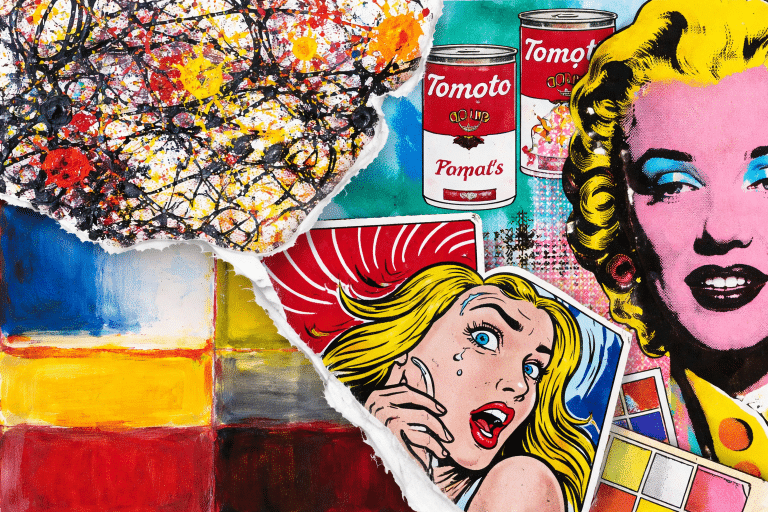
Pop Art did not arrive as a rebellion against abstraction it emerged from its exhaustion. As Abstract Expressionism pushed emotion to its limits, artists began turning outward, toward the images that filled everyday life. This article traces the quiet shift from inner feeling to mass imagery, revealing how Pop Art was born from looking rather than believing.
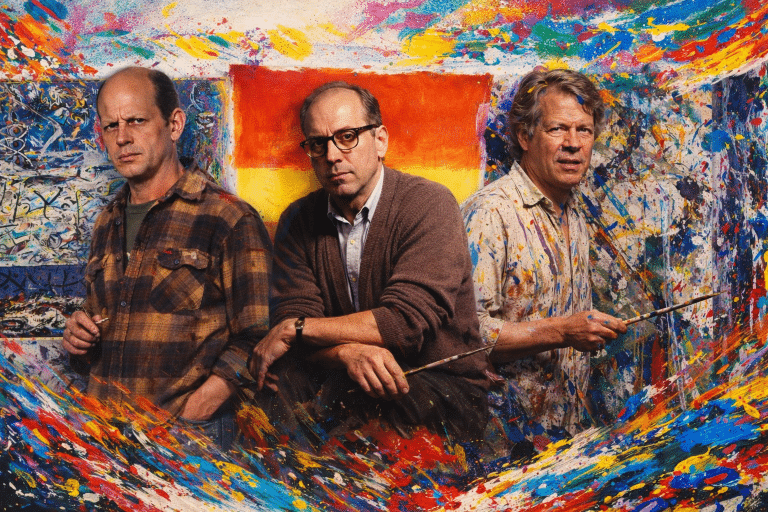
The evolution of pop art transformed everyday imagery, advertising, and celebrity culture into powerful artistic expression. From early pioneers in the 1950s to contemporary artists experimenting with digital media and global influences, pop art continues to shape modern visual culture.
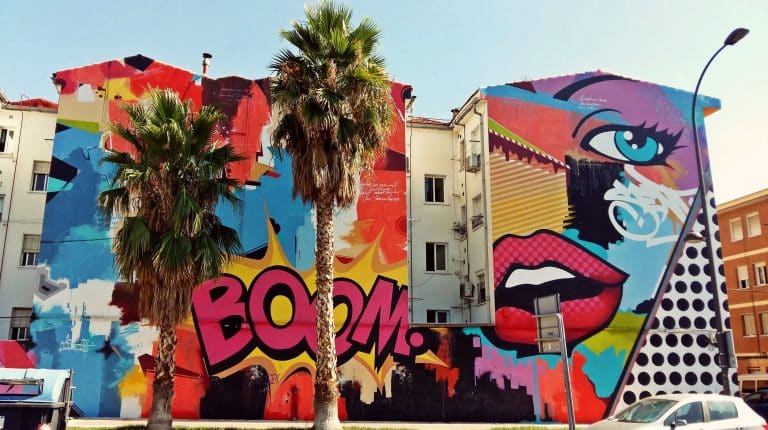
Pop Art wasn’t just an art movement it was a cultural wake-up call. Born from advertising, mass media, and everyday objects, Pop Art challenged the idea of what art could be and who it was for. From Warhol’s soup cans to today’s digital icons, this movement reshaped how we see images, fame, and consumption. This guide breaks down what Pop Art really is, why it had to happen, and why its influence is stronger than ever today.
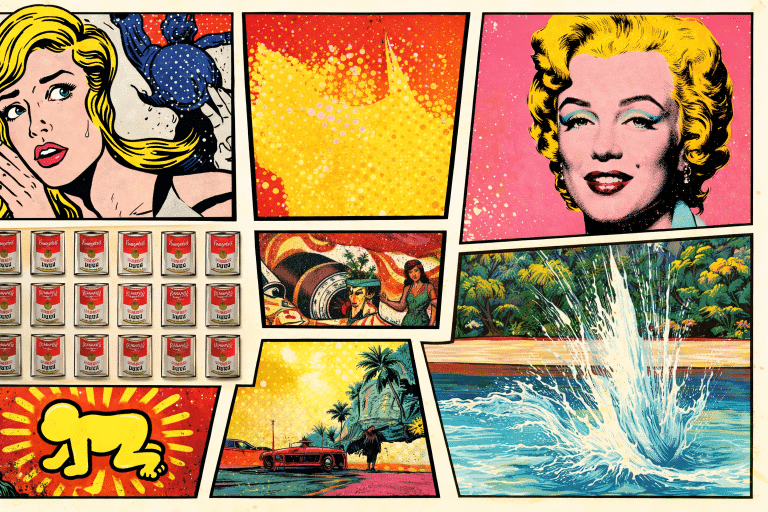
Pop Art was never about decoration. It was about exposure. From soup cans and comic panels to celebrity faces and bold symbols, Pop artists held up a mirror to modern life and asked an uncomfortable question: why do we worship what surrounds us? This blog explores the iconic Pop Art paintings everyone should know, uncovering the real stories behind the images that transformed everyday culture into lasting art.