


 lOG IN





What Is Abstract Art? A Complete Guide

Written by Manasvi Vislot
Views 177
 Published on 15 de marzo de 2026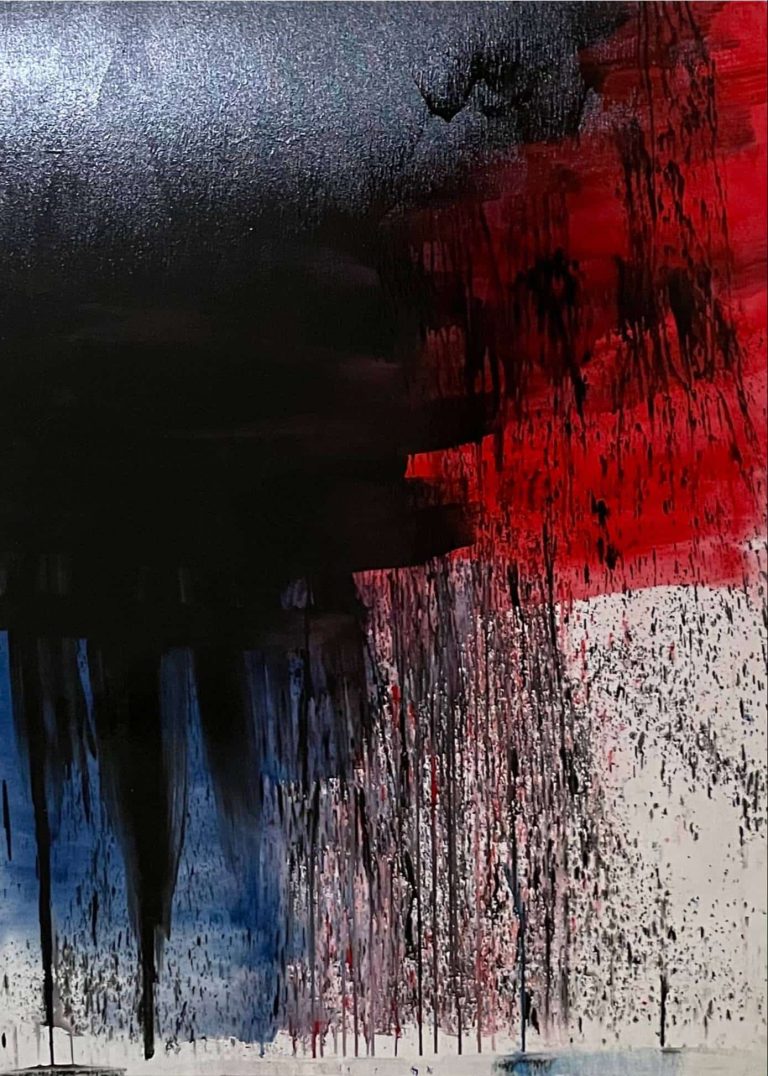
This guide to abstract art explores its origins, the basics of abstract art painting, abstract expressionism , and the latest abstract art. If you’re looking to buy abstract art, take a look here.
Abstract art never represents the real world as it is. It focuses on expressing feelings, energy, and tension, and never on the clear subjects. The colour plays the most important role in conveying meaning; elements like shape,line, and texture are also equally important. Each viewer would interpret the artwork differently, and each artwork would hold a different meaning for the viewer. The core intention of abstract art is open-ended meaning . It is considered the most widely collected art style globally . It holds a significant share in the art market. Buyers can now discover abstract art through online galleries and physical spaces. According to the Art Basel & UBS Market Report 2026, the United States dominates the art market, accounting for about 44% of global sales, indicating where most high-value abstract art demand is.
Birth of Abstract Art
The origins of abstract art remain a debated topic and are undefined. Though Wassily Kandinsky is often credited as a pioneer of abstract art . He used to believe that colour and form play a prominent role and can express emotion and spirituality. His Painting Composition V is seen as a key moment in the emergence of abstract art. Hilma af Klint is another early and important figure in abstract art. She created abstract artworks in the early 1960s, before Kandinsky. Her paintings featured bold , geometric styles far ahead of their time. She kept her work private because she believed that the world was not yet ready to understand her artworks. After her death in the 1980s, her work gained serious recognition.
Other artists, Piet Mondrian and Kazimir Malevich, both worked towards the early development of abstract art. Piet Mondrian focused on primary colours and grids. Kazimir Malevich focused on minimal geometric shapes and bare backgrounds. Their approaches push art towards pureity and simplicity. They did not just create a new style but redefined what art could be.
The Basics of Abstract Painting Everyone Should Know
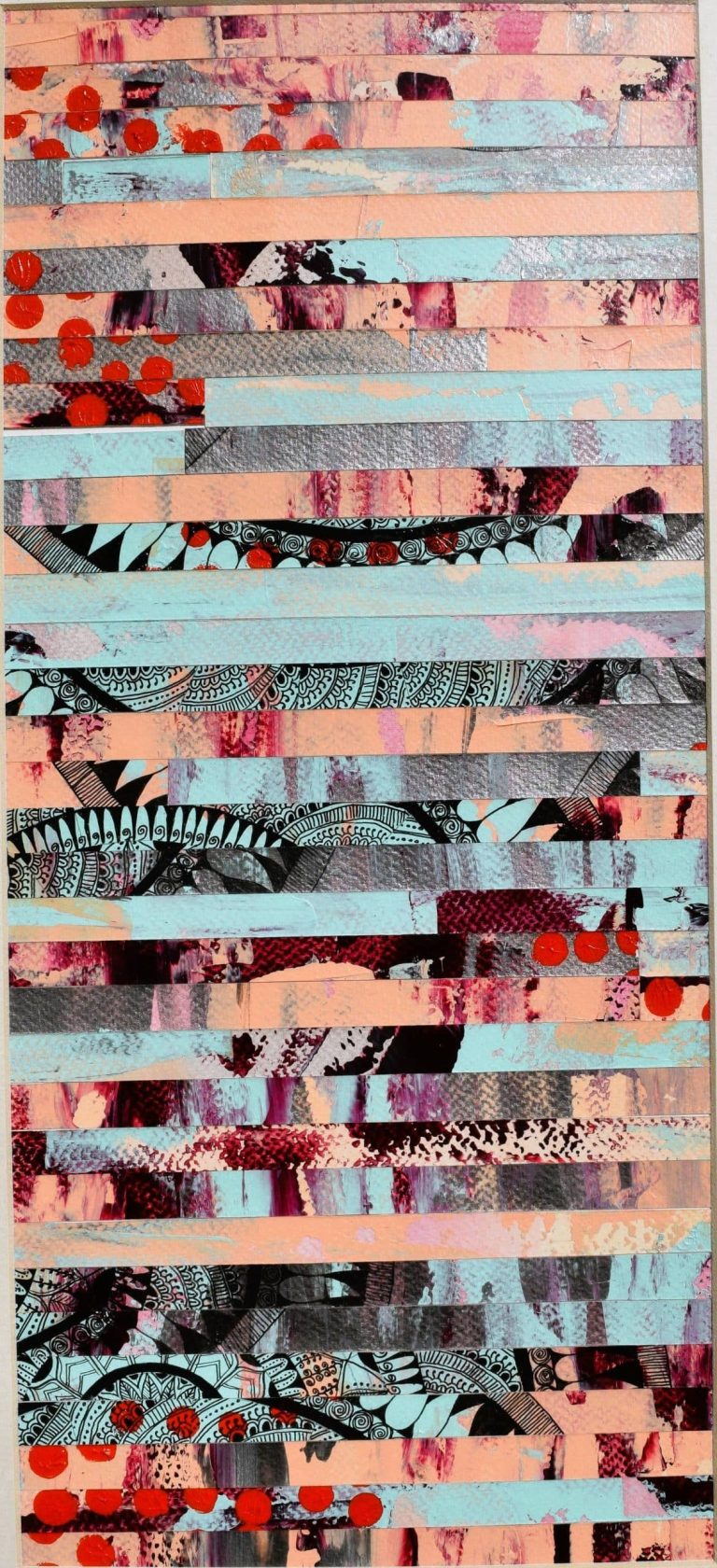
At first glance, abstract art can feel a little confusing, but it is very normal; you are not missing anything. It feels a little confusing at first because it is very different from traditional art. It uses visual vocabulary, which is a little difficult to understand. The main focus is on the colour and form rather than the subject matter. The abstract artist carefully chooses colour combinations to create the mood and emotion viewers will see. The artist uses different kinds of colour palettes to evoke different feelings. For example, different colours.
The shapes used in the artwork also influence how a piece feels. For example, geometric shapes create a sense of order and structure, while organic shapes feel natural, expressive, and more fluid. Understanding the colour and shape helps the viewer unlock the artwork’s meaning. Abstract art does not need to represent real objects to be engaging. It rather offers a personal emotional experience rather than a fixed story.
About Abstract Expressionism
Abstract expressionism is a movement known for its bold, energetic, and expressive style and it emerged in New York during the 1940s. The artist worked on very large canvases with spontaneous ideas and instinct-driven techniques rather than planned ones. There was a shift from careful planning to drawing in the movement creation. Emphasis was laid on the movement creation.
The whole process of making an artwork became as important as the artwork’s final outcome. The centre of the art moved from Europe to New York. It marked a major shift in the global art scene. An American artist started leading the global art conversation.
The early pioneers
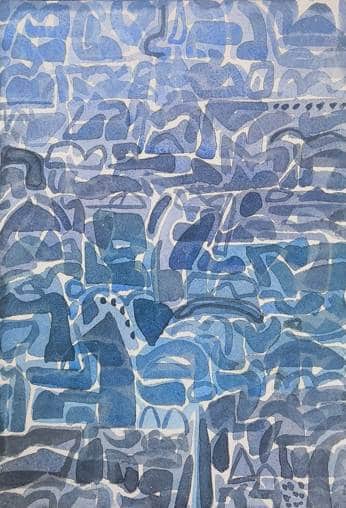
A single person or movement did not originate abstract art; instead, it evolved gradually through experimentation, debate, and unconventional works. Wassily Kandinsky is often considered the starting point. His philosophy was that colour and form could evoke emotion, just like music does. He believed that art should be felt instinctively without needing any understanding behind it.
Kazimir Malevich pushed abstraction further with geometrics . His work, Black Square, gained a lot of attention because it was not a reference to reality but to art at its purest. Piet Mondrian was known for his signature grid style and for using primary colours with strict geometry; his style influenced feelings beyond painting, including fashion design and architecture. All of these artists played a very important role in defining the movement, but they followed different paths. Collectively, they reshaped modern art and proved that art need not depict reality to have meaning.
The Abstract Expressionists
By the mid-20th century, abstract art became more energetic and intense. Abstract expressionism was considered to be very bold, chaotic, and physical. The famous abstract expressionist Jackson Pollock was known for unconventional techniques, such as pouring paint onto a canvas laid on the floor.
Mark Rothko created artworks with large and soft colour fields. His paintings held deep emotional responses, despite their simplicity, but they held a very emotional meaning behind it. Viewers generally have very powerful, personal reactions to his work.
Willem de Kooning entered the market with a very aggressive, contrasting energy; his work maintained a tension between the human figure and abstraction. These artists helped abstract art evolve into abstract expressionism, and it became the centre of discussion in the postwar art world. After this, abstract art played a very dominant role in the modern and contemporary Art market.
Abstract art today
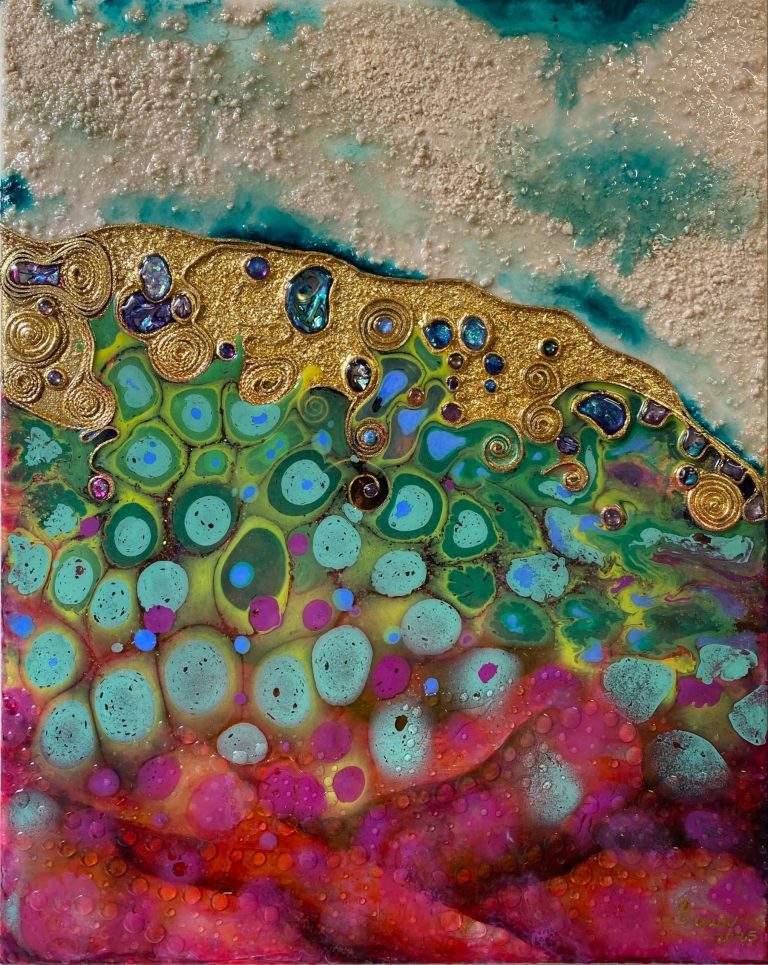
Contemporary abstract art cannot be defined by a single style. It exists globally without a dominant city or central movement. No single place like New York leads the conversation. Gerhard Richter is very experimental, and he experiments across blood images to pure abstraction. Julie Mehretu creates complex works that address architecture, maps, and history. Mark Bradford uses materials like rope, tar, and billboard paper. His work reflects the local environment in Los Angeles. Paintings remain the largest and most traded medium (~45%+ of total art sales), with abstract painting playing a major role as noted in the Growth Market Report.
The artist of today uses a wide range of materials, as well as very new techniques and ideas. There is no single unifying style, geography or material that connects them. Online art sales reached approximately $11.8 billion, indicating that collectors are increasingly discovering and buying art digitally, as noted in the UBS Global Market Report 2026.
Contemporary artists continue to push and refine what abstract art can be.
Escrito por
Manasvi Vislot
Manasvi Vislot is an India based creative storyteller at Elisium Art. She blends global art trends with strategic digital insights, crafting content that connects readers with the evolving world of contemporary, digital, and cultural art. With her refined eye for aesthetics and a passion for making art accessible, Manasvi creates narratives that highlight the artists, ideas, and innovations shaping today’s creative landscape.
Las obras más vistas entre nuestros lectores

The Story of an Owl
36 W x 36 H Inch
Pleasure Goddess
36 W x 48 H Inch

Ganesha
20 W x 24 H Inch

The More I Blossom (Print)
16 W x 20 H Inch

The Story of Peacock
72 W x 36 H Inch

The Story of a City
48 W x 36 H Inch