

 lOG IN





The Art of Belonging: Africa’s Stories Told Through Contemporary Masters

Written by Manasvi Vislot
Views 35
 Published on 25 de junio de 2026
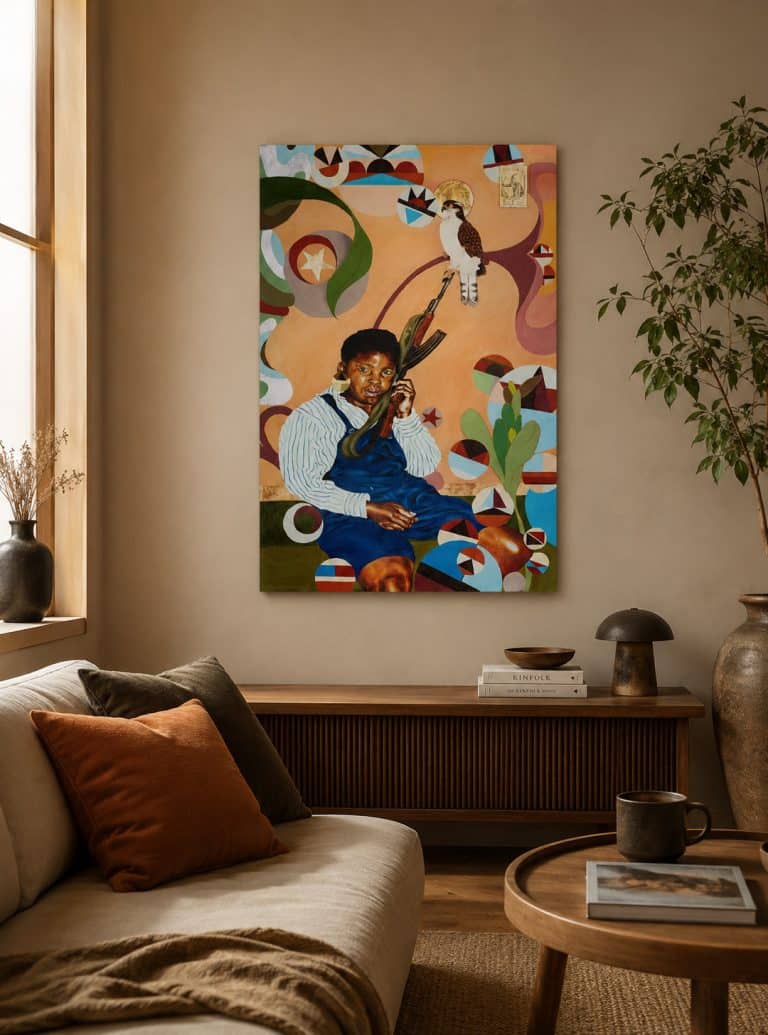
Before anyone wrote anything down. Before borders existed. Before cities were built and destroyed. The earth was already keeping records. Every footprint left in it. Every harvest pulled from it. Every celebration held on it and every loss suffered on it. All of it stayed. What if the ground beneath us actually remembers more than we do? That is the question this collection keeps asking.
Rhythms of the Soil: Africa was curated by Adam Mbengue and the first thing you notice is the colour and the energy. The works feel bold and contemporary and alive. But if you stay with them a little longer something else starts coming through. These are not just paintings. They are about memory. About ancestry. About what it means to belong somewhere and carry that place inside you. Kenyan social, environmental, and political activist Wangari Maathai once said that the soil is the great connector of lives. This collection understands that completely.
Four Artists, One Shared Pulse
This collection brings together four South African artists. Lindokuhle Tshabalala, Thokozani Mthiyane, Lehlogonolo Masoabi and Nsika Mhlongo. They each work very differently from one another. But something runs through all of them. A shared conversation about heritage, resilience and the ties between people and the places that shaped them.
This is not one story about Africa. It is many. And together they show a continent that is constantly moving, constantly changing and still deeply rooted at the same time.
Lindokuhle Tshabalala and the Beauty of Renewal
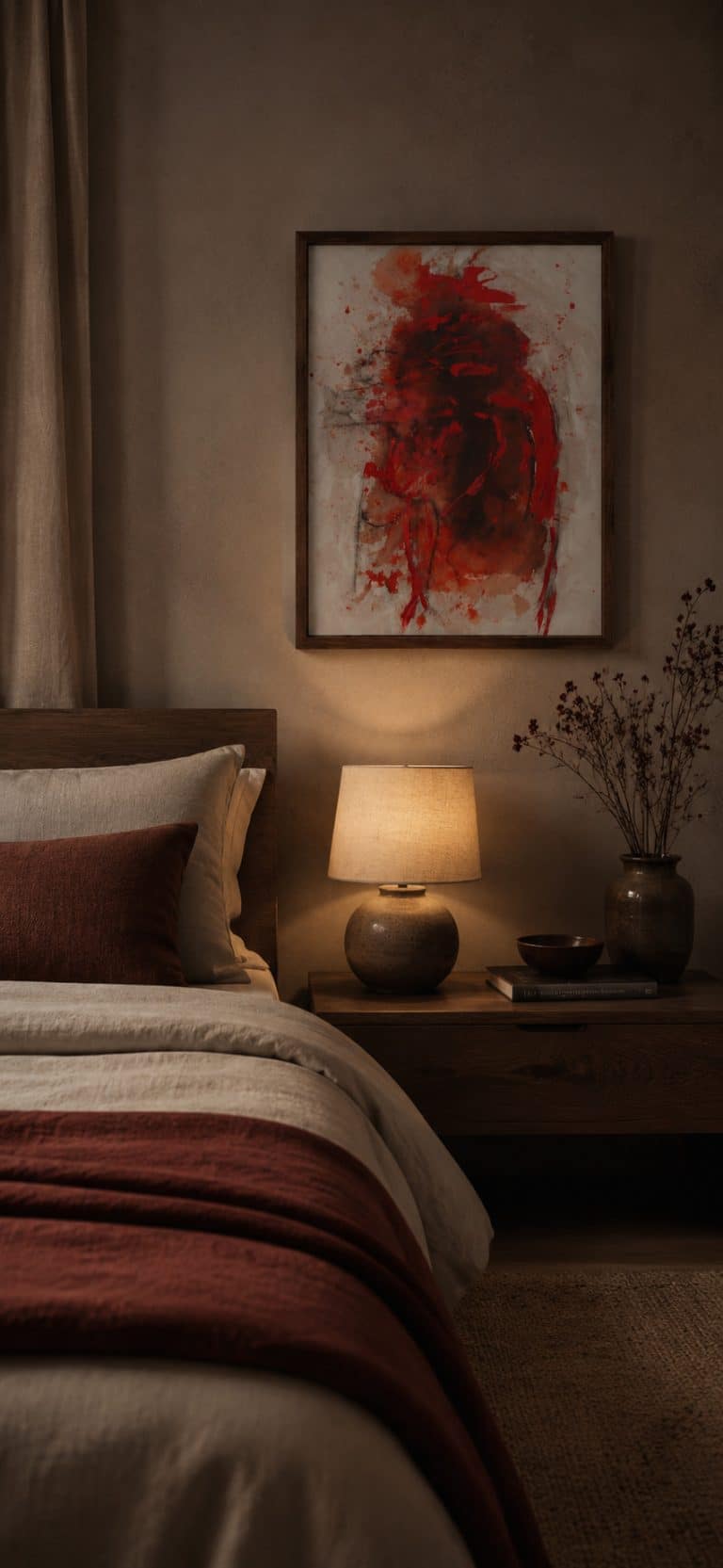
Tshabalala’s work sits with cycles. The kind that repeat in nature and in human life both. Destruction followed by growth. Loss followed by something quietly beginning again. Paintings like After The Bloom and War carry a weight to them that feels personal and wide reaching at the same time.
His compositions do not pretend that growth is easy or that beauty arrives without struggle. But they leave room for hope. Even in the most difficult works there is something underneath suggesting that transformation is already happening even before it becomes visible. Like seeds that have not yet broken through the surface. Desmond Tutu once said that hope is being able to see that there is light despite all of the darkness. That is exactly what Tshabalala’s paintings do.
Thokozani Mthiyane and the Poetry of Memory
Long before anyone wrote things down African communities kept their knowledge alive through storytelling, through song and through the act of passing things on from one person to the next. Thokozani Mthiyane works from that tradition. He takes memory and poetry and turns them into something you can see and feel.
Works like Meditation on Ancient Poetry and The Interpretation of Poetry V have a musical quality to them. A rhythm and a movement that you sense before you understand. He does not illustrate stories. He creates the feeling of them. Layers of colour and abstraction that work like verses, asking you to sit with them rather than explain them. His paintings are a reminder that culture does not only live in books. It lives in people. In the things they carry and share and continue.
Lehlogonolo Masoabi and the Complexity of Identity
Memory connects us to the past. But identity is what we carry into every present moment. Masoabi’s work explores how complicated that is. His compositions are layered and fragmented and they resist simple readings. Because identity itself resists simple readings.
Who we are is not fixed. It shifts with personal history, with migration, with social change and with the cultures we move between. Masoabi’s abstraction reflects all of that. His paintings feel like they are in motion. Like something is being assembled and then taken apart and put back together differently. In a world where questions of belonging feel more urgent than ever his work feels very honest and very necessary.
Nsika Mhlongo’s Unflinching Voice
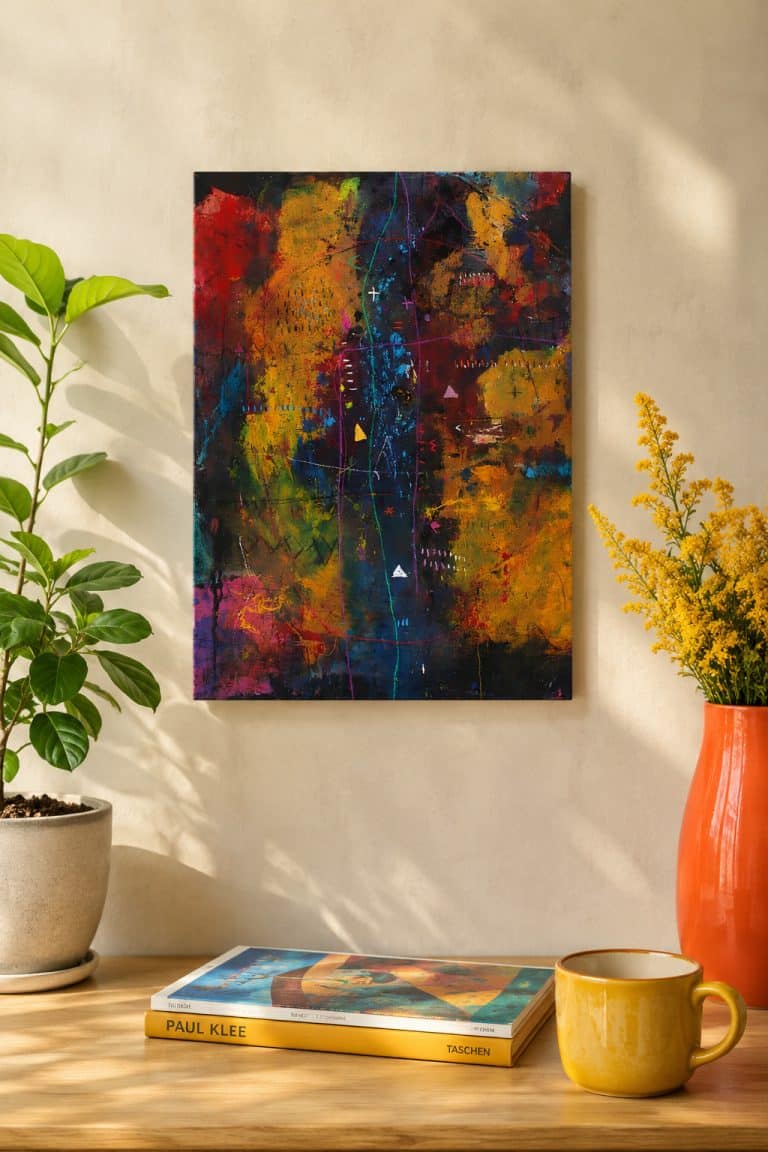
Mhlongo does not soften things. His work looks directly at power, conflict and the harder truths of social reality. Paintings like Warmonger, The Woman and Deity of Cruelty are not comfortable. They are not meant to be. They pull you in and ask you to stay with something difficult rather than look away. There is an urgency in his work that is hard to ignore. He belongs to a long tradition of artists who use creativity not just to express but to question and to push back and to imagine things differently.
The Rhythm Beneath Everything
The thing that stays with you after spending time with this collection is not any single painting. It is a feeling. Like something underneath is connected. A pulse running through all of it that links land to memory, memory to identity and identity to the people and places that made us who we are.
The soil stops being just a metaphor. It becomes something that witnessed everything. That held all of it and kept it safe for the people who came next. Rhythms of the Soil: Africa asks you to slow down. To listen. And when you do the ground stops feeling silent. It starts feeling full. Full of voices and histories and memories that were never really lost. Just waiting for someone to stop and hear them.
Escrito por
Manasvi Vislot
Manasvi Vislot is an India based creative storyteller at Elisium Art. She blends global art trends with strategic digital insights, crafting content that connects readers with the evolving world of contemporary, digital, and cultural art. With her refined eye for aesthetics and a passion for making art accessible, Manasvi creates narratives that highlight the artists, ideas, and innovations shaping today’s creative landscape.
Las obras más vistas entre nuestros lectores

The Story of an Owl
36 W x 36 H Inch
Pleasure Goddess
36 W x 48 H Inch

Ganesha
20 W x 24 H Inch

The More I Blossom (Print)
16 W x 20 H Inch

The Story of Peacock
72 W x 36 H Inch

The Story of a City
48 W x 36 H Inch