

 lOG IN





Fine Art: Definition, History, Artists, and Iconic Masterpieces

Written by Manasvi Vislot
Views 177
 Published on March 12, 2026
What is Fine Art?
Fine art often sparks a strong reaction, either curiosity or admiration. It captures attention and makes people pause and reflect. Fine Art is created mainly for intellectual, aesthetic and emotional purposes. It is not made for functional or practical use. Unlike design objects. It exists to be experienced rather than just used; traditionally, it included painting, sculpture, and drawing. Today, it includes them. It also includes photography, installation, digital art, and more.
The definition of fine art has evolved over time and remains flexible. The artists’ vision and expression are at the centre of fine art; emotions, ideas, and personal exploration take priority.Fine art transactions reached approximately 41.5 million sales globally, showing the volume and accessibility of the market (Source: Art Basel & UBS Global Art Market Report)
History of Fine Art
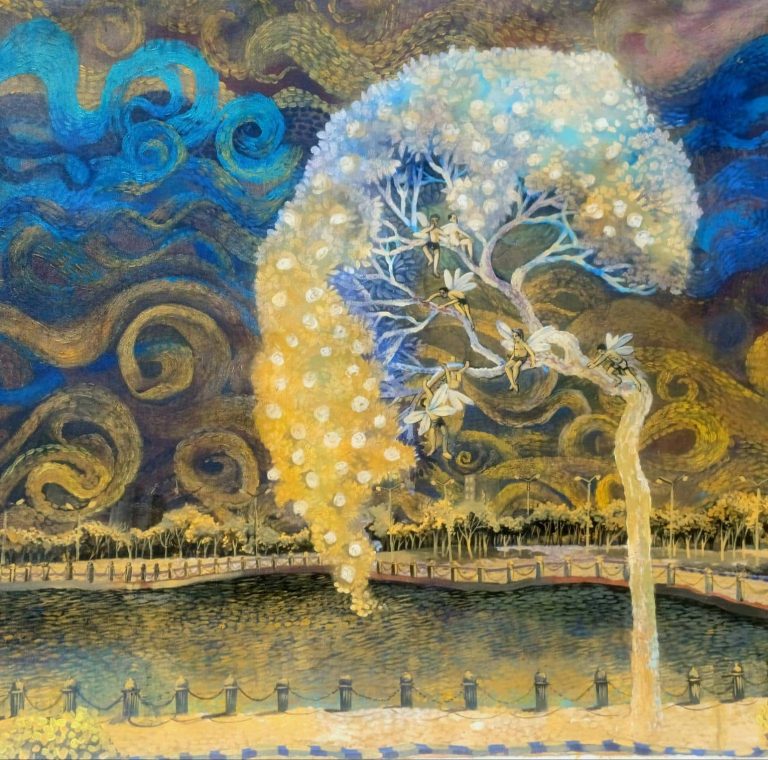
Fine art began to take shape during the European Renaissance. Before this period, artists were mainly seen as craftsmen; the Renaissance elevated artists to the status of thinkers and visionaries. Leonardo da Vinci and Michelangelo became cultural icons. Art was no longer just seen as a decorative piece. It was seen as an intellectual and cultural achievement. This shift in how artists are valued continues to influence modern art. Each movement redefined what art could be and what purpose it could hold today.
Fine art includes photography, video installation, and digital media. The definition of fine art continues to evolve with time. Despite changes. It remains centred on artistic expression and meaning.
Features of Fine Art
Fine art is created to be experienced, not function. It aims to evoke emotions and thoughts and to express human truth. It is not designed to solve practical problems. It allows for complete creative freedom. Artists can experiment, take risks, and explore new creative ideas, unlike design or craft. It is not limited by any strict rules or regulations. Fine art carries cultural and historical significance. It reflects emotions, concerns, and ideas, and acts as a mirror of society. Fine art requires strong, technical skill and a deep understanding of craft . Mastery can appear effortless but is built on years of practice.
Influential Fine Art Artists
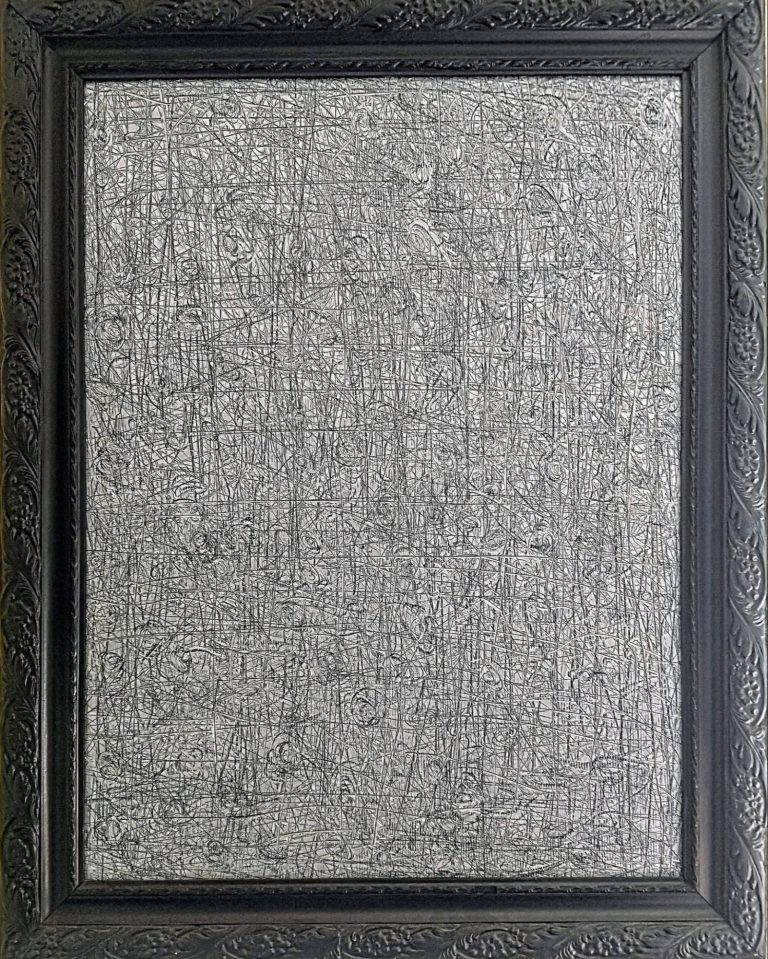
Fine art has been shaped by artists who challenged existing rules and pushed boundaries in the 19th century. Édouard Manet helped bridge traditional painting and modern art. His bold subjects and unconventional style encouraged artists to rethink the academic norms. Paul Cezanne changed how artists approached form. He simplified nature into geometric shapes, influencing movements like abstract art and Cubism in the 20th century as artists began exploring deeper psychological themes.
Mark Rothko created large colour-field paintings intended to evoke strong emotional responses. Fine art expanded beyond visual representation into more conceptual and emotional aspects . Contemporary artists continue to experiment and redefine Art . Gerhard Richter moves between realism and abstraction. Yayoi Kusuma creates immersive installations that transform entire spaces and make them attractive . Fine art is constantly evolving, reflecting cultural shifts while opening new creative possibilities.
Remarkable Fine Artworks
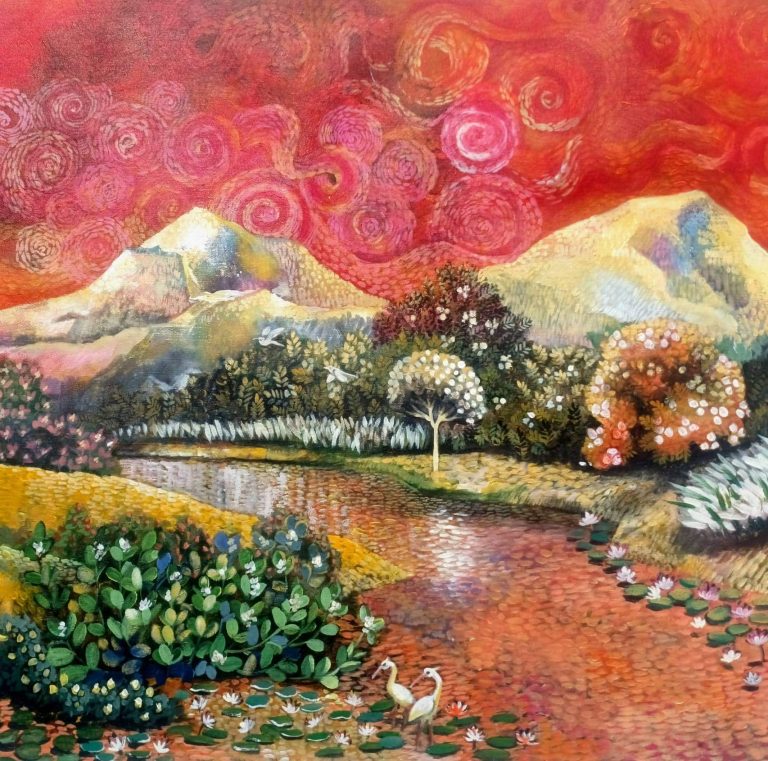
Jackson Pollock No 5 introduced a groundbreaking drip painting technique; his process was very energetic, physical, and did not follow traditional painting methods. The artwork was sold for around $140 million in 2006, highlighting the value of originality.The most expensive artwork ever sold is Salvator Mundi by Leonardo da Vinci, which sold for $450.3 million in 2017 at auction (Source: Christie’s)
Damien Hirst created The Physical Possibility of Death in the Mind of Someone Living. This work features a shark preserved in formaldehyde. It sparks debate about beauty, discomfort and the boundaries of fine art. This piece challenged traditional ideas of what art can be. The second most expensive painting sold at auction is Portrait of Elisabeth Lederer by Gustav Klimt, which sold for $236.4 million in 2025 (Source: Sotheby’s)
Jeff Koons created Balloon Dog (Orange). The sculpture transforms a simple balloon animal into a large stainless steel artwork. It was sold for $58.4 million in 2013. Koons’ work questions the ideas of value, taste and what is considered “serious” art.
Written by
Manasvi Vislot
Manasvi Vislot is an India based creative storyteller at Elisium Art. She blends global art trends with strategic digital insights, crafting content that connects readers with the evolving world of contemporary, digital, and cultural art. With her refined eye for aesthetics and a passion for making art accessible, Manasvi creates narratives that highlight the artists, ideas, and innovations shaping today’s creative landscape.