

 lOG IN





The Reader’s Retreat: The Art of Creating a Space You Never Want to Leave

Written by Manasvi Vislot
Views 58
 Published on June 11, 2026
The Reader’s Retreat: The Art of Creating a Space You Never Want to Leave
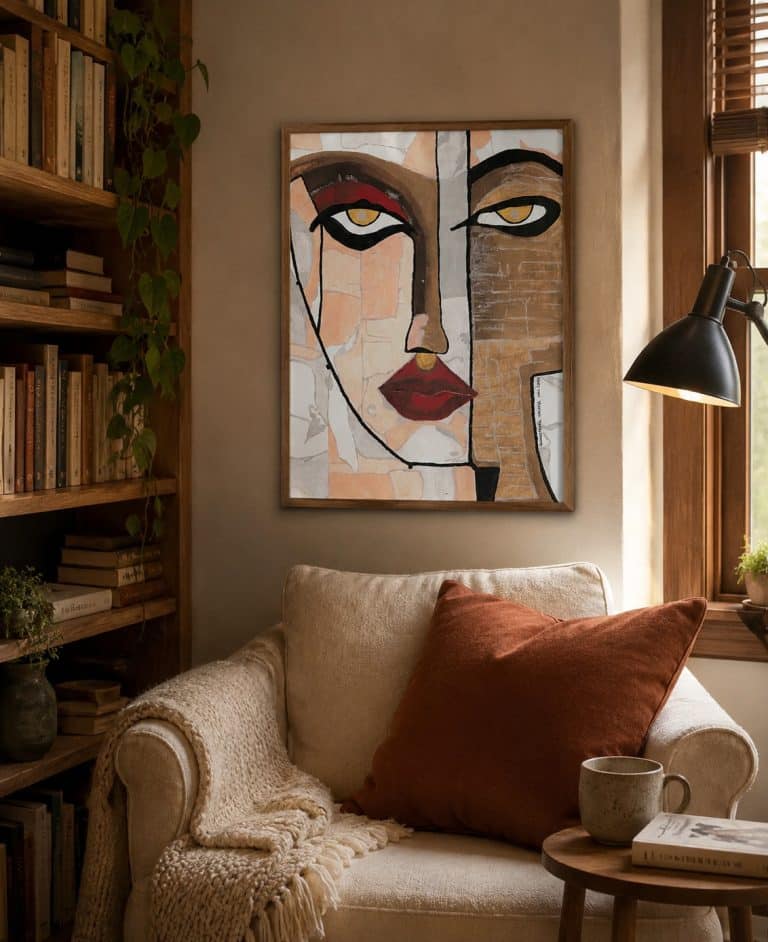
There is a curious thing that happens in every truly great reading nook. You sit down intending to read for twenty minutes. An hour passes. Then another. At some point you look up slightly surprised as though the room itself has quietly conspired against your plans. What made you stay? It is rarely just the chair. The best reading corners have an atmosphere that encourages focus, imagination and comfort. They feel separate from the rest of the home even when they occupy only a small corner of a room. Long before you open a bookthe environment has already started shaping your experience. Ilse Catherine Crawford CBE RDI is a British interior and furniture designer, she once said that the most important thing is that spaces make us feel at ease. Nowhere is this more relevant than a reading nook. A good reading space should gently remove distractions and create conditions where attention can settle naturally.
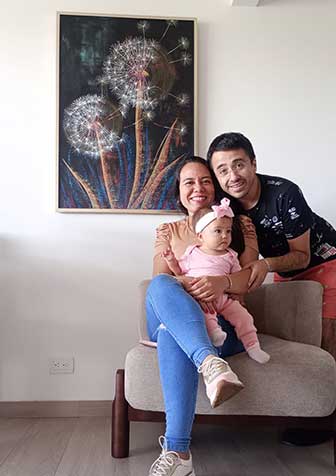
For anyone looking for reading nook inspiration artwork is one of the most overlooked elements. While people carefully choose chairs, lamps and bookshelves it is often the art on the walls that determines whether a reading space feels merely functional or genuinely immersive.
Why Reading Nooks Need Different Artwork Than Other Rooms
A common misconception is that any artwork works in a reading corner. In reality reading spaces place unique demands on the eye and mind. Unlike a dining room where artwork encourages conversation or an entryway where it creates a first impression reading nook artwork should encourage sustained attention. It should invite curiosity without becoming a distraction.
Visual surroundings influence concentration more than most people realise. Spaces with moderate visual complexity tend to be more engaging than completely blank environments while remaining less mentally taxing than highly stimulating ones. This is precisely why the most successful reading nook ideas often include artwork with layered narratives, subtle symbolism, natural forms or contemplative subject matter. The goal is not simply to decorate the wall. The goal is to create a visual companion to the reading experience.
What Makes Artwork Work in a Reading Nook?
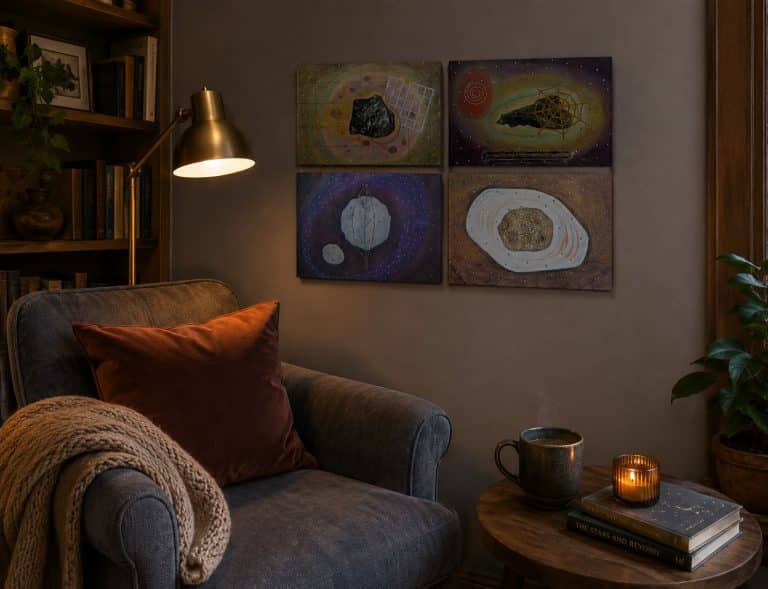
Certain qualities consistently work well in reading environments. Artworks that reveal new details over time work particularly well because they mirror the experience of reading itself. Nature inspired imagery helps create a sense of mental calm and restoration. Narrative artworks encourage imagination and curiosity. And pieces with thoughtful colour palettes provide visual interest without competing with books for attention.
One of the most common mistakes people make when decorating a reading nook is choosing artwork that is too visually aggressive. High energy imagery, excessive contrast or chaotic compositions can subtly compete for attention. The most effective pieces instead create a sense of quiet engagement. They invite observation rather than demand it.
The Thought Behind The Reader’s Retreat Collection
The Reader’s Retreat Collection was curated around a very simple but deeply meaningful idea. Reading is not just an activity. It is an experience of discovery. Every artwork in this collection was selected for its ability to encourage reflection, imagination and the kind of slow looking that mirrors what it feels like to get completely lost in a great book.
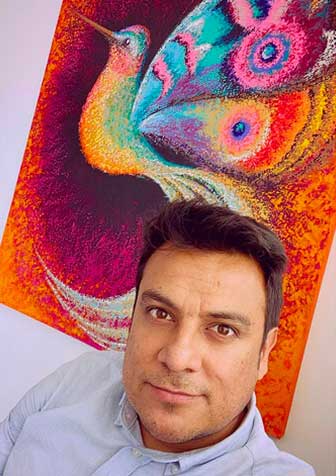
Diganta Gain’s paintings bring a strong narrative depth and emotional richness into the space. His works feel like visual stories that are waiting to unfold. There is a quiet curiosity in them that pulls you in the same way a compelling novel does. The more time you spend with his work the more you find in it. It rewards patience and invites personal interpretation every single time you look at it.
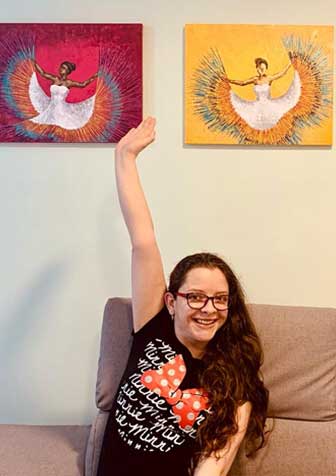
Francisco Javier Gallardo Vega’s works are for readers who enjoy art that genuinely sparks imagination. His compositions are layered with movement, symbolism and discovery. Much like literature his artworks reveal different meanings depending on where you are in life and what you bring to the experience. No two viewings feel exactly the same which makes his work a genuinely ideal companion for a thoughtful reading retreat.
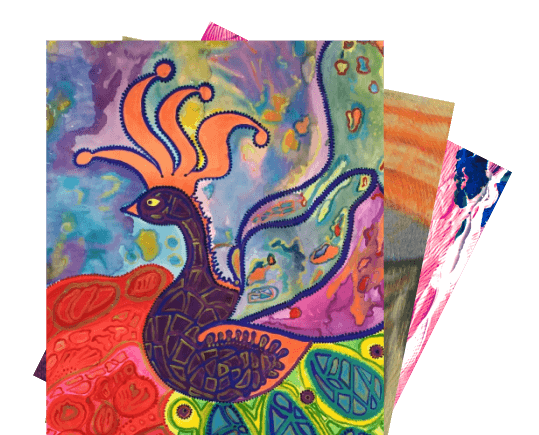
Palash Chandra Naskar’s works bring a strong connection to nature, memory and everyday life. Their grounded yet expressive quality creates a comforting atmosphere that supports concentration while adding warmth and real character to a reading corner. Together these artists create a collection that reflects many of the qualities people seek in books themselves. Curiosity, beauty, imagination, reflection and the pleasure of returning again and again to uncover something new.
Where Should Artwork Be Placed in a Reading Nook?
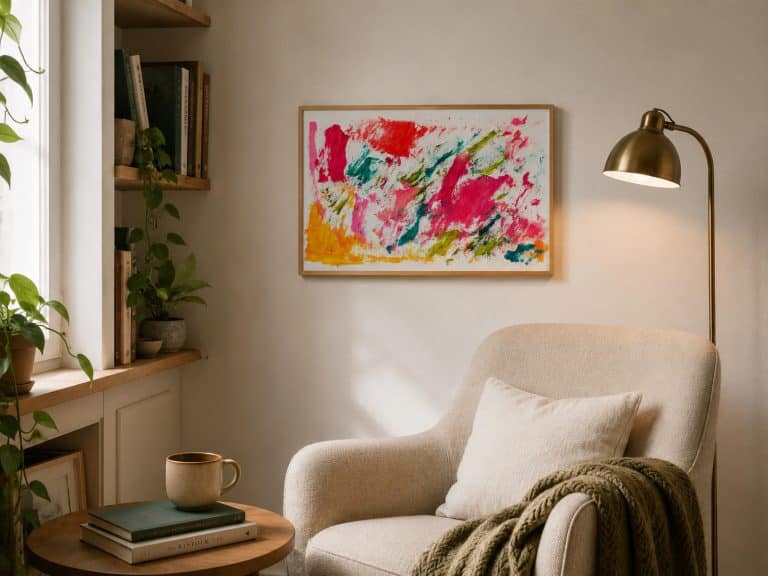
Placement can significantly affect how comfortable a reading space feels. One of the best locations for artwork is slightly above and beside the primary reading chair. This allows the artwork to remain visible without sitting directly within the reader’s line of sight. If your reading nook includes built-in shelving placing artwork beside books rather than directly above them often creates a more balanced composition.
In smaller spaces a single carefully chosen piece generally creates more impact than a gallery wall. When planning your reading nook remember that negative space is genuinely valuable. Leaving room around an artwork allows both the eye and the mind to rest. The goal is not visual abundance. The goal is visual clarity.
Written by
Manasvi Vislot
Manasvi Vislot is an India based creative storyteller at Elisium Art. She blends global art trends with strategic digital insights, crafting content that connects readers with the evolving world of contemporary, digital, and cultural art. With her refined eye for aesthetics and a passion for making art accessible, Manasvi creates narratives that highlight the artists, ideas, and innovations shaping today’s creative landscape.
Most Viewed Artworks Among Our Readers

Whisper of the Tree
36 W x 48 H Inch

The Story of an Owl
36 W x 36 H Inch
Pleasure Goddess
36 W x 48 H Inch

Ganesha
20 W x 24 H Inch

The More I Blossom (Print)
16 W x 20 H Inch

The Story of Peacock
72 W x 36 H Inch