

 lOG IN





From Instagram to AI Art: Is Pop Art Still Alive Today?
Written by Manasvi Vislot
Views 143
 Published on January 16, 2026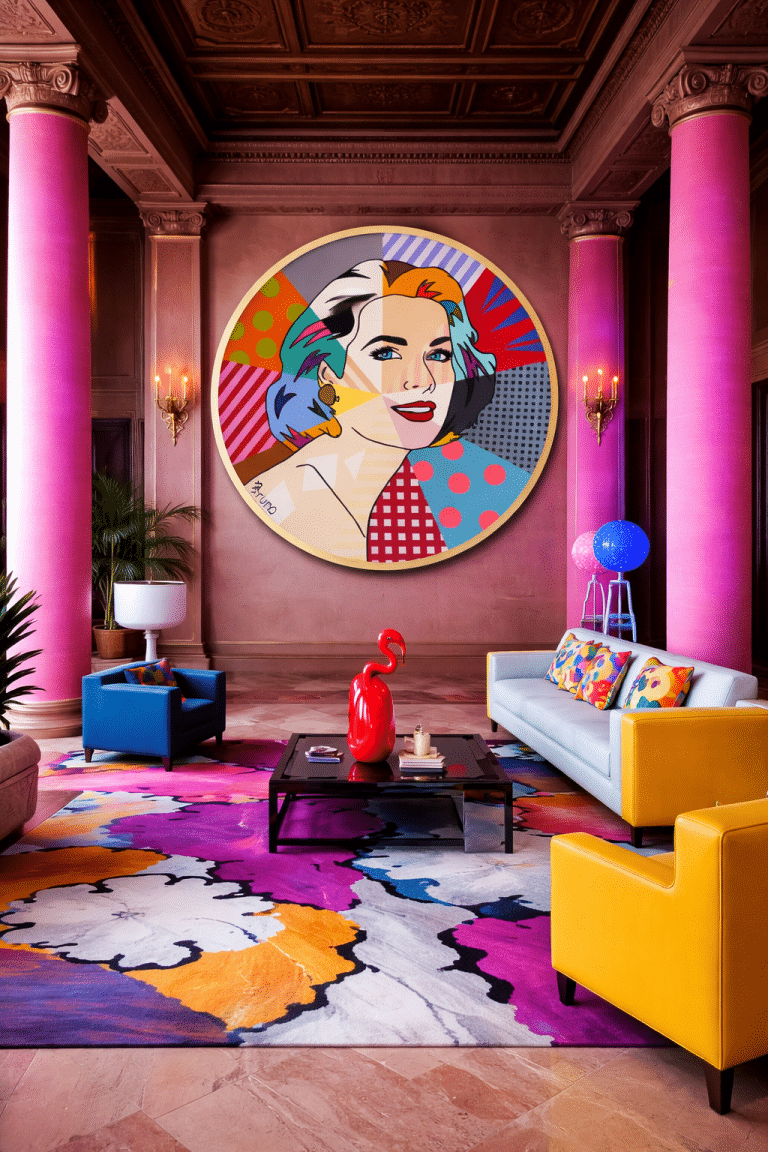
Pop Art didn’t disappear after the 1960s. It evolved with technology, culture, and images themselves. Today, the legacy of Pop Art is more visible than ever not just on gallery walls, but scrolling through feeds, driven by algorithms, shared on screens, remixed by AI, and collected online. From Instagram discoveries and online marketplaces to generative art powered by artificial intelligence, this blog explores how Pop Art’s spirit still lives in our digital age.
A New Visual Pulse: Instagram and the Art World
Images have always been at the heart of Pop Art. But in the digital era, they have become the language of culture. Platforms like Instagram have transformed the way artists, curators, and audiences engage with visual art. Today, social media isn’t just a marketing tool it’s a cultural stage where art is seen, shared, and debated globally.
According to recent industry data, Instagram is cited by approximately 73% of art professionals as their primary social media channel for art, highlighting its dominance as a platform for discovery and dialogue. Furthermore, 42% of online art buyers say social media influences their purchases, a figure that climbs to nearly 59% among younger collectors. These numbers show that images and aesthetics in the spirit of Pop Art influence taste and collecting behavior far beyond the museum.
Curator Stefan Simchowitz, known for using Instagram as a tool for discovering and elevating contemporary artists, has called social media “a legitimate way of discovering, distributing, and popularizing fine arts.” His work reflects a truth Pop artists could only imagine in the 1960s: visual culture doesn’t live in galleries first it lives in the public’s imagination first.
Rather than diminishing the art experience, Instagram and similar platforms have broadened it. Viewers now create their own mini-exhibitions, share interpretations, and join conversations sometimes before a work even hits a gallery wall.
The Rise of Digital Art and AI: Reinventing Creation
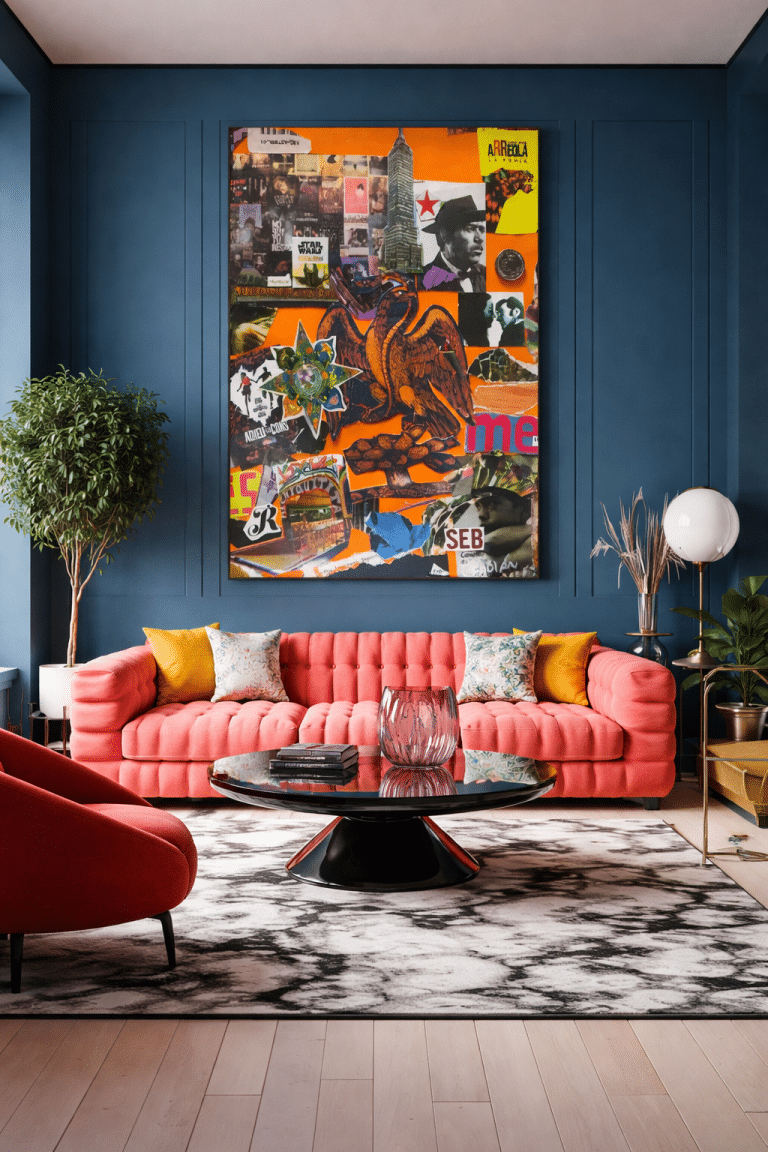
While Pop Art once responded to consumer imagery and mass media, today’s artists confront digital imagery itself pixels, algorithms, pixels remixed by code, and artworks generated in collaboration with machines.This digital turn is not speculative. Recent market data shows that online art sales accounted for approximately 18% of all art-market sales in 2024, with a total online art market value of around $10.5 billion. Digital platforms are becoming essential engagement channels for artists and collectors alike.
In this shift, AI is reshaping both creation and market dynamics. In 2024, the global AI art market was valued at around $3.2 billion and is projected to grow to over $40 billion by 2033 showing rapid adoption and investment in algorithm-driven art creation and curation. AI-generated artworks have also begun to appear in major auction houses, with an AI-generated painting selling for approximately $432,500 at Christie’s, indicating collectors are taking machine-assisted art seriously. But what does this mean for Pop Art’s legacy? Curator Christiane Paul, the renowned Curator of Digital Art at the Whitney Museum, has dedicated her career to understanding how digital tools transform artistic practices not replace them. Her work highlights how digital art and generative tools expand Pop Art’s core idea: art engages with cultural imagery in real time.
Does Digital Mean Dead? Or Just Evolving?
Critics of AI and digital art often argue that machine-created visuals lack the emotional depth and human touch of traditional art. A recent survey found that 60% of art collectors are concerned about a lack of emotional connection with AI-generated art, and about 54% of artists see legal or ethical concerns as barriers to using AI tools in their practice. These debates echo early Pop Art controversies when critics questioned whether commercial imagery could ever be “real art.”
Yet the influence is undeniable. The digital space has allowed artists to experiment with color, form, and visual language in ways that would have been unimaginable in the internet era. It has also democratized visibility: artists can now be seen by millions before entering galleries.An important aspect of this shift is ownership and identity. Art that once needed physical presence to be collected can now be bought, shared, and archived digitally but the fundamental question remains the same Pop Art asked in the 1960s: What does it mean to make and own an image?
Pop Art’s Legacy in Contemporary Practices
Rather than being confined to a historical movement, Pop Art’s energy lives on in how artists navigate image culture today. On the Elisium Art platform, artists continue to reinterpret visual language through both traditional and modern lenses.The digital landscape also offers opportunities for artists to retain agency over their work. Studies show that on blockchain or NFT platforms, artists may retain up to 87.5% of primary sales revenue significantly higher than the traditional gallery model’s average. While NFT markets fluctuated in the early 2020s, this economic shift highlights the evolving relationship between artist, audience, and value in the digital age.
Written by
Manasvi Vislot
Manasvi Vislot is an India based creative storyteller at Elisium Art. She blends global art trends with strategic digital insights, crafting content that connects readers with the evolving world of contemporary, digital, and cultural art. With her refined eye for aesthetics and a passion for making art accessible, Manasvi creates narratives that highlight the artists, ideas, and innovations shaping today’s creative landscape.
Most Viewed Artworks Among Our Readers

Whisper of the Tree
36 W x 48 H Inch

The Story of an Owl
36 W x 36 H Inch
Pleasure Goddess
36 W x 48 H Inch

Ganesha
20 W x 24 H Inch

The More I Blossom (Print)
16 W x 20 H Inch

The Story of Peacock
72 W x 36 H Inch