

 lOG IN





How Abstract Art Gave Birth to Pop Art ?
Written by Manasvi Vislot
Views 157
 Published on January 12, 2026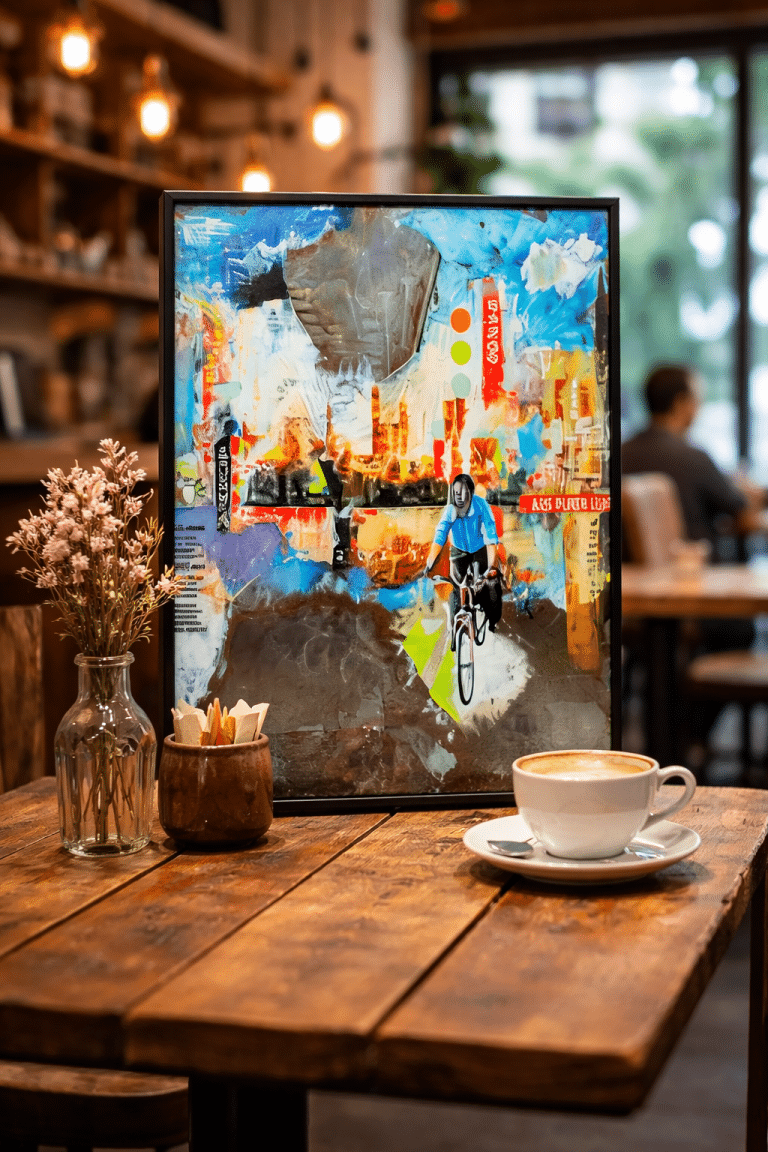
Pop Art didn’t begin as a protest. It started as fatigue. By the late 1950s, art had reached an emotional peak. Painters had poured trauma, anxiety, and existential dread onto canvases for over a decade. The results were powerful but unsustainable. What followed wasn’t a dramatic rupture, but a quiet pivot away from feeling and toward looking. Pop Art was born not from rebellion, but from exhaustion.
After the War
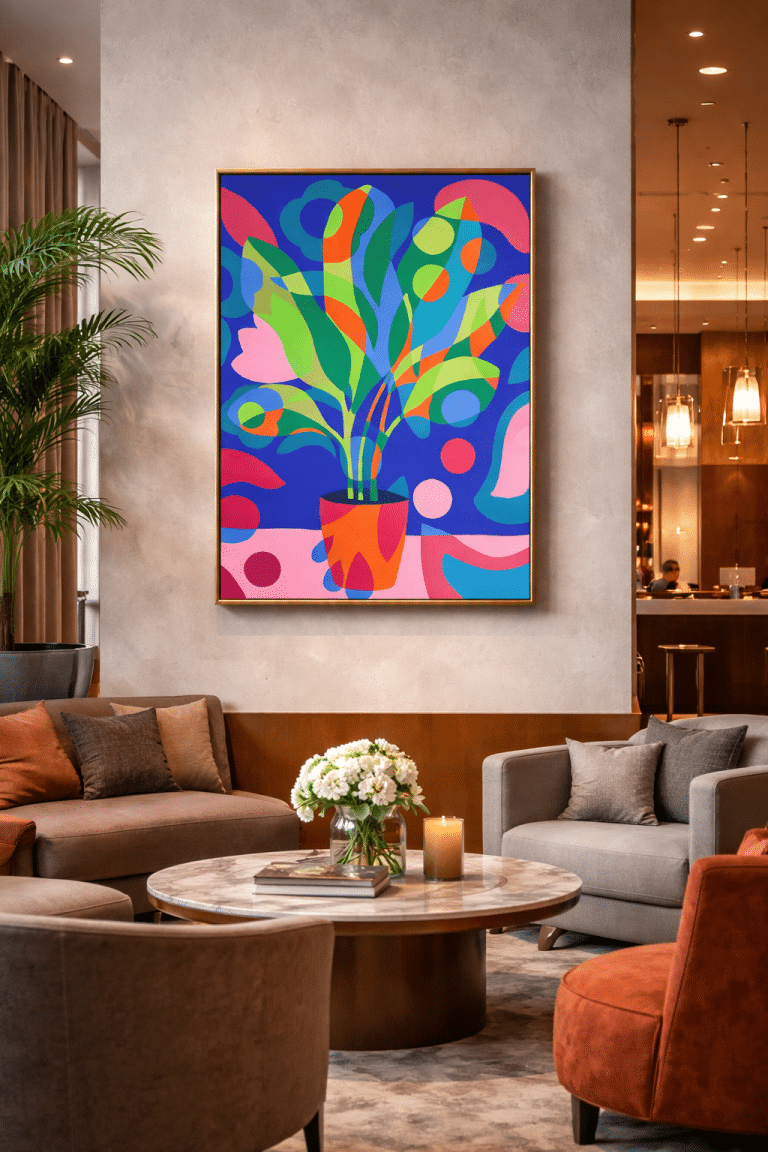
In the aftermath of World War II, abstraction felt necessary. The world had witnessed horrors that realism could not contain. Artists turned inward, believing that emotional truth mattered more than visible reality. Large canvases, aggressive gestures, and immersive color fields dominated galleries. Painting became a moral act. Art writer and curator Calvin Tomkins later reflected that Abstract Expressionism carried “the burden of seriousness,” the expectation that art should speak for humanity itself. That weight shaped a generation of artists, but it also boxed them in. Art had become intense, inward, and heavy.
When Intensity Turned Into a Dead End
By the end of the 1950s, something felt stuck. The gesture began to repeat itself. Emotional authenticity hardened into style. The heroic image of the artist alone, suffering, and expressive became predictable. Curator and historian Katy Siegel has noted that abstraction reached a moment where “expression was no longer discovery, but expectation.” Artists were expected to feel deeply, endlessly. But outside the studio, the world had changed.
Life Was Loud, Repetitive, and Mass-Produce
Every day life no longer moves at the pace of emotion. It moved at the pace of images. Television entered homes. Advertising perfected persuasion. Supermarkets organized desire through repetition. Comics reduced drama into symbols. Celebrity faces traveled faster than real people. Art curator Eva Respini, now at the ICA Boston, has argued that Pop Art emerged when artists realized that mass imagery wasn’t superficial; it was the dominant reality. Ignoring it meant ignoring how people actually lived. Abstract art had turned away from the visible world just as the visible world took over everything.
The Radical Shift: From Inner States to Public Surfaces
Pop Art didn’t destroy abstraction; it redirected it. Instead of asking, “How do I feel?” Pop artists asked, “What am I surrounded by?” Instead of a gesture, they used repetition. Instead of emotion, they used distance. Soup cans mattered because they were ordinary. Comic panels mattered because they flattened emotion. Advertisements mattered because they already controlled attention. Curator Benjamin Buchloh has written that Pop Art treated images as systems, not decorations, revealing how desire, identity, and belief were manufactured visually. This wasn’t a celebration. It was exposure.
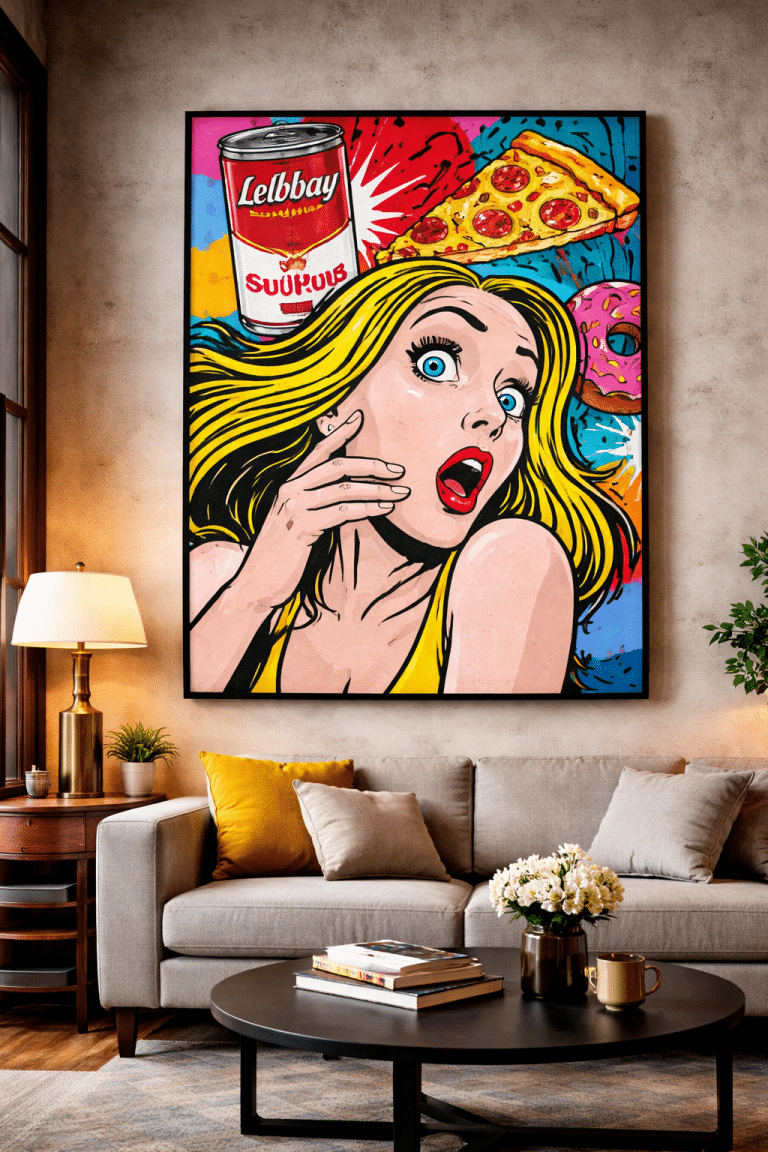
Pop Art Painting
New Form of Honesty
Pop Art often feels calm, flat, and even indifferent. That tone was deliberate. Where Abstract Expressionism demanded emotional immersion, Pop Art created space. Irony allowed artists and viewers to step back and observe how images work. Repetition replaced confession. Familiarity replaced symbolism. This emotional distance wasn’t apathy. It was an analysis. Art stopped asking viewers to empathize and started asking them to notice.
The Moment Art Stopped Being Separate From Culture
Once Pop Art entered galleries, art could no longer pretend to exist outside everyday life. High and low culture collapsed. Museums absorbed imagery once dismissed as trivial. Curator Okwui Enwezor later framed this shift as a turning point in which art recognized that it was “embedded within global systems of media, consumption, and power.” After Pop Art, art could no longer stand apart; it had to confront the world it lived in. This was the real revolution.
Why Abstract Art Didn’t Fail: It Evolved
Pop Art didn’t replace Abstract Expressionism. It grew out of it. Abstract art pushed emotion to its limit. Pop Art picked up where emotion could no longer function and turned toward images instead. One movement explored inner truth; the next examined shared reality. Together, they rewrote modern art. Pop Art was not anti-serious. It was serious in a new way. And once art learned to question images instead of emotions, there was no turning back.
Written by
Manasvi Vislot
Manasvi Vislot is an India based creative storyteller at Elisium Art. She blends global art trends with strategic digital insights, crafting content that connects readers with the evolving world of contemporary, digital, and cultural art. With her refined eye for aesthetics and a passion for making art accessible, Manasvi creates narratives that highlight the artists, ideas, and innovations shaping today’s creative landscape.