

 lOG IN





History of Pop Art

Written by Manasvi Vislot
Views 191
 Published on January 15, 2026
The history of pop art marks a turning point in modern art when artists began turning everyday objects, advertisements, and popular culture into serious artistic subjects. Emerging in the 1950s, pop art challenged traditional art forms that focused on classical themes or abstract expressionism. Instead, artists used imagery from magazines, comic books, packaging, and celebrity culture to create bold and visually engaging works. Over time, pop art became one of the most recognizable and influential art movements of the twentieth century.
Early Beginnings: The Birth of Pop Art in 1950s Britain
The early history of pop art began in post-war Britain, where artists started exploring how mass media and consumer culture were shaping society. A group known as the Independent Group began discussing how advertising, television, and modern design were transforming visual culture.
One of the earliest pioneers was Richard Hamilton, whose famous 1956 collage Just what is it that makes today’s homes so different, so appealing? is widely considered one of the first true pop artworks. Hamilton’s work brought together images of household products, bodybuilders, and advertisements, highlighting the growing influence of consumer culture on modern life.
The Pop Art Explosion of the 1960s
The history of pop art reached its peak during the 1960s when the movement gained widespread popularity in the United States. Artists embraced the imagery of consumer products, comic books, and Hollywood celebrities to reflect the fast-growing media culture of the time.
The most famous figure of this era was Andy Warhol, whose paintings of Campbell’s soup cans and portraits of Marilyn Monroe became symbols of pop art. Warhol’s work questioned the boundaries between art, commerce, and celebrity culture.
Another major artist, Roy Lichtenstein, turned comic book panels into large-scale paintings using bold outlines and Ben-Day dots. Meanwhile, artists such as Claes Oldenburg and James Rosenquist expanded the movement through monumental sculptures and billboard-inspired paintings.
From Art Movement to Cultural Phenomenon
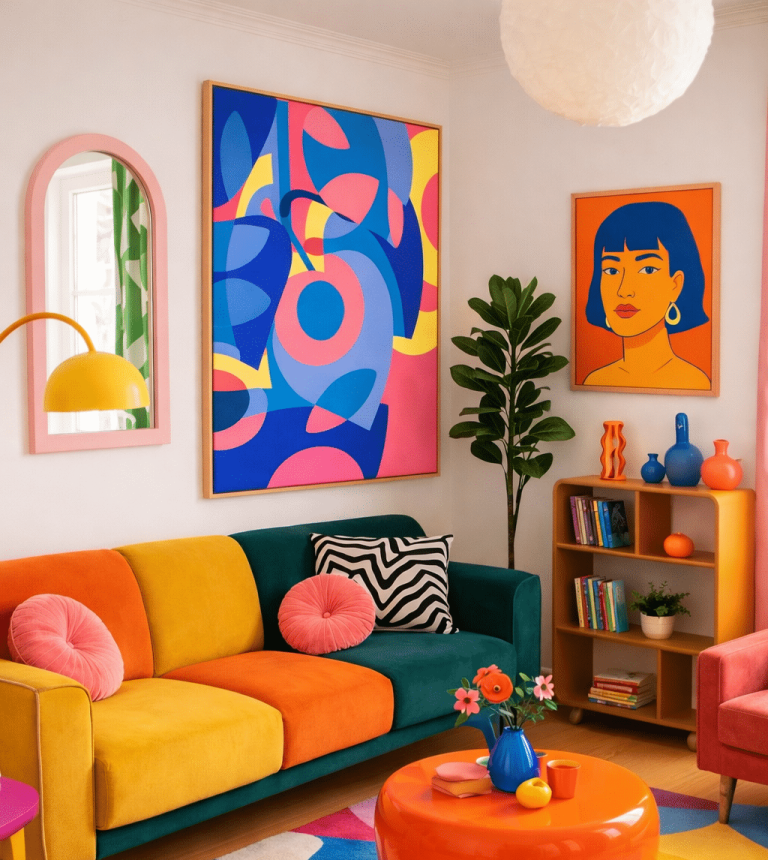
By the late 1960s and 1970s, the history of pop art showed how the movement had evolved beyond galleries and museums. Its influence spread across fashion, music, graphic design, and advertising. The vibrant colors, bold shapes, and playful imagery of pop art made it instantly recognizable and highly influential in popular culture.
Pop art also inspired artists around the world, proving that art could reflect everyday life rather than distant historical or mythological subjects.
The Lasting Legacy of Pop Art Today
The history of pop art continues to influence contemporary artists who reinterpret the movement for modern audiences. Many artists today combine pop art aesthetics with street art, digital media, and global pop culture.
Artists such as Takashi Murakami and KAWS blend pop imagery with modern design and technology, creating artworks that appeal to both collectors and younger audiences.
Written by
Manasvi Vislot
Manasvi Vislot is an India based creative storyteller at Elisium Art. She blends global art trends with strategic digital insights, crafting content that connects readers with the evolving world of contemporary, digital, and cultural art. With her refined eye for aesthetics and a passion for making art accessible, Manasvi creates narratives that highlight the artists, ideas, and innovations shaping today’s creative landscape.