

 lOG IN





The Timeless Allure of Abstract Art: Breaking Boundaries

Written by Elisium Art
Views 10176
 Published on October 3, 2024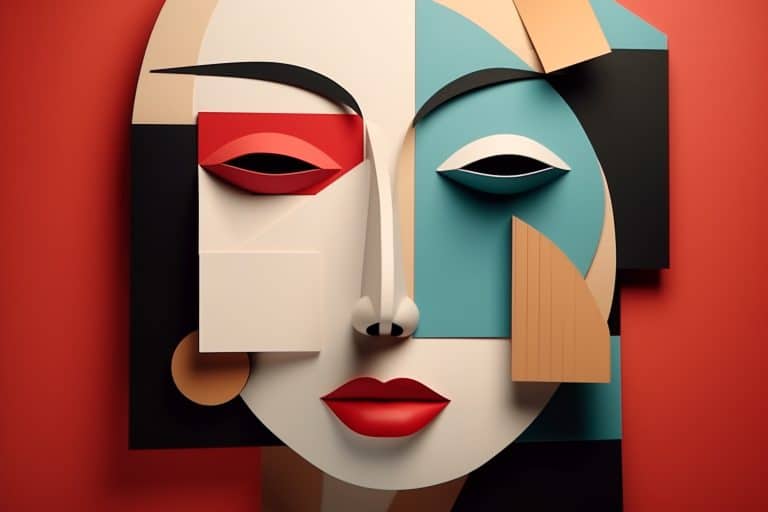
Introduction: Art is a language beyond words a medium that has evolved over centuries to express the inexpressible. Among its most intriguing forms is abstract art, a genre that challenges and reshapes how we perceive and interpret creativity.
What is Abstract Art?
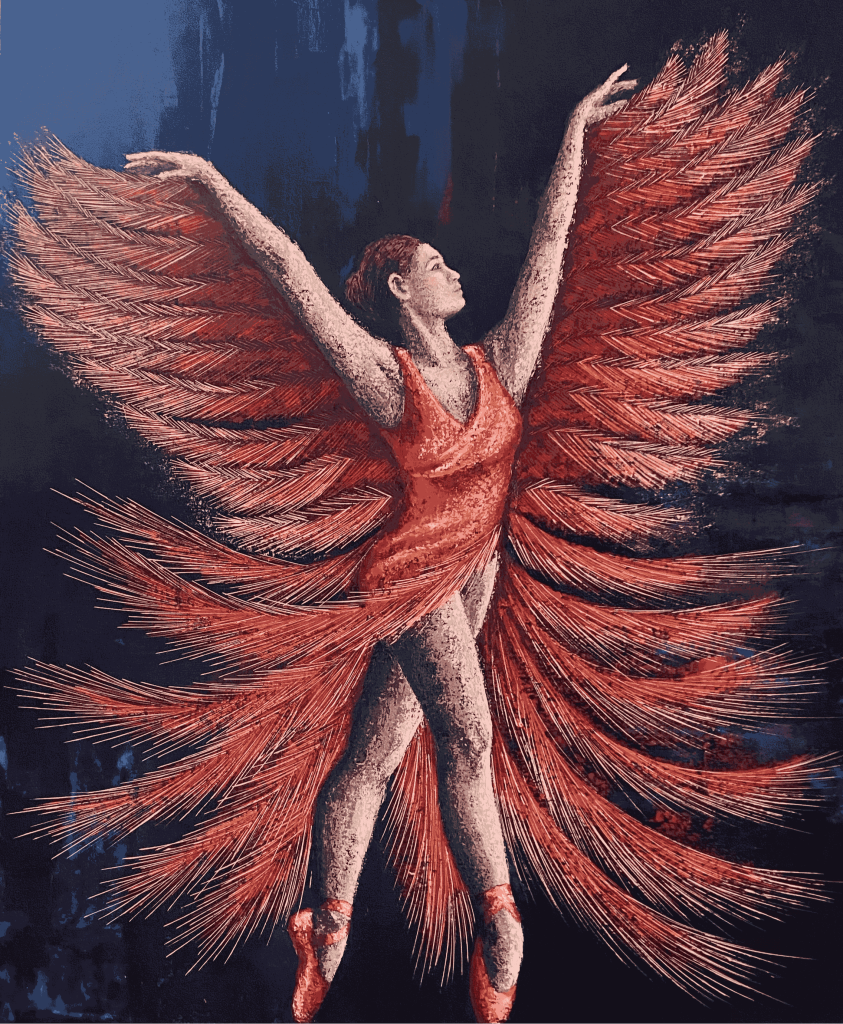
Abstract art distills the essence of form and color into pure expression, often stripping away recognizable subjects in favor of shapes, lines, and textures. It challenges viewers to look beyond the surface and find meaning through their own interpretations.
Key Elements: Color, form, texture, space
Famous Abstract Artists: Wassily Kandinsky, Piet Mondrian, Jackson Pollock
Famous Abstract Artists Wassily Kandinsky, Piet Mondrian, Jackson Pollock
The Evolution of Abstract Art
From its early roots in the late 19th century to its explosive growth in the 20th century, abstract art has evolved dramatically. The movement pushed boundaries, exploring emotional depth through non-traditional methods.
Why Abstract Art Matters Today
In today’s fast-paced, technology-driven world, abstract art offers a reprieve—a place where imagination can run wild, and individual interpretations thrive. It embodies the idea that art isn’t just about what you see but how you feel.
How to Appreciate Abstract Art
Appreciating abstract art requires an open mind. Instead of looking for a clear narrative, focus on the colors, the energy, and the overall composition. What emotions does it evoke? What does it make you think about?
Steps to Explore Abstract Art:
Observe without judgment
Engage with the composition
Let it evoke emotion and thought
5. The Future of Abstract Art
As we continue into the 21st century, abstract art remains relevant, adapting to new technologies like digital painting and interactive installations. The future of this genre promises exciting innovations, keeping the spirit of abstraction alive.
Conclusion:
Abstract art challenges the boundaries of creativity, inviting us to explore the unknown and embrace personal interpretations. Whether it’s a splash of color or a complex arrangement of shapes, its appeal is timeless, reminding us that art is as much about the journey as the final piece.