


 lOG IN





Explore the Best Street Art in San Francisco, CA

Written by Manasvi Vislot
Views 118
 Published on 14 de febrero de 2026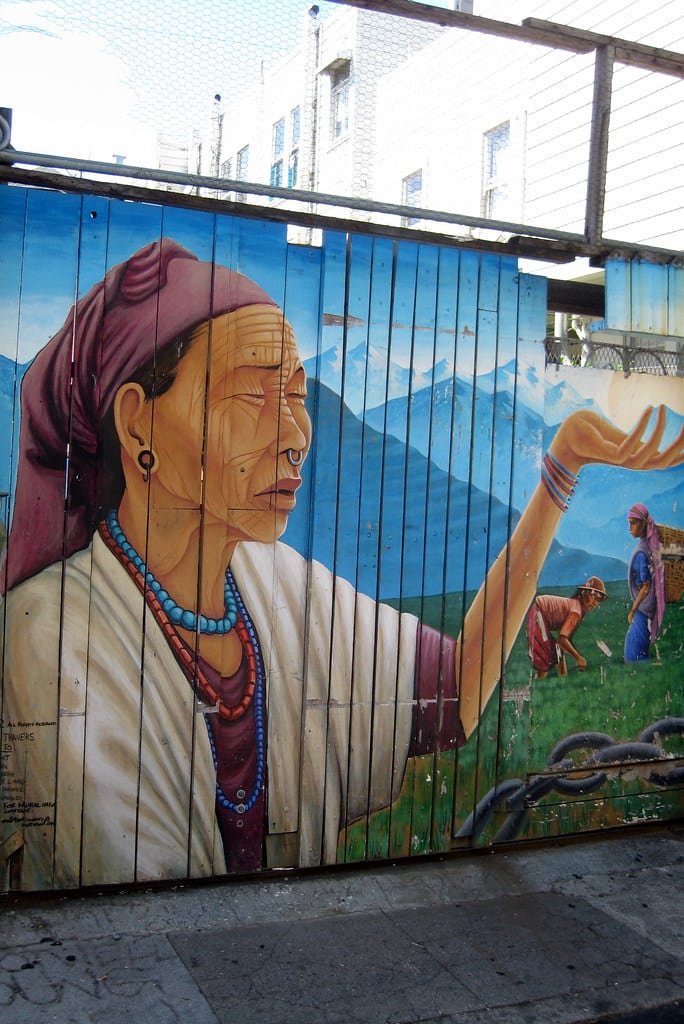
Balmy Alley , San Francisco
A City Where Walls Tell Stories
San Francisco is more than its iconic Golden Gate Bridge and cable cars it is a city where walls speak. Street art here is not random graffiti; it is culture, protest, identity, and celebration painted in bold color. The city has long embraced artistic rebellion and creative freedom, turning neighborhoods into open-air museums. As legendary street artist Banksy once said, “Art should comfort the disturbed and disturb the comfortable.” That philosophy echoes across San Francisco’s murals, where art challenges norms while uniting communities.
Street art in the city thrives because it is accessible. There are no tickets, no gates just stories painted across brick and concrete. It reflects immigration history, social activism, LGBTQ+ rights, and local resilience, making every mural a living archive of the city’s voice.
The Mission District: The Heart of Urban Expression
The Mission District is widely considered the epicenter of San Francisco’s street art movement. Home to over 500 murals, it represents one of the densest mural concentrations in the United States. Balmy Alley, active since the early 1970s, began as a powerful response to political events in Central America and evolved into a vibrant showcase of Latinx heritage and social justice narratives.
Clarion Alley, established in 1992 by the Clarion Alley Mural Project (CAMP), continues this tradition with rotating murals that address climate change, housing issues, and cultural identity. Renowned San Francisco muralist Sirron Norris once emphasized that muralism is about responsibility and storytelling not just painting large images. The depth of meaning in these murals is what makes them globally respected.
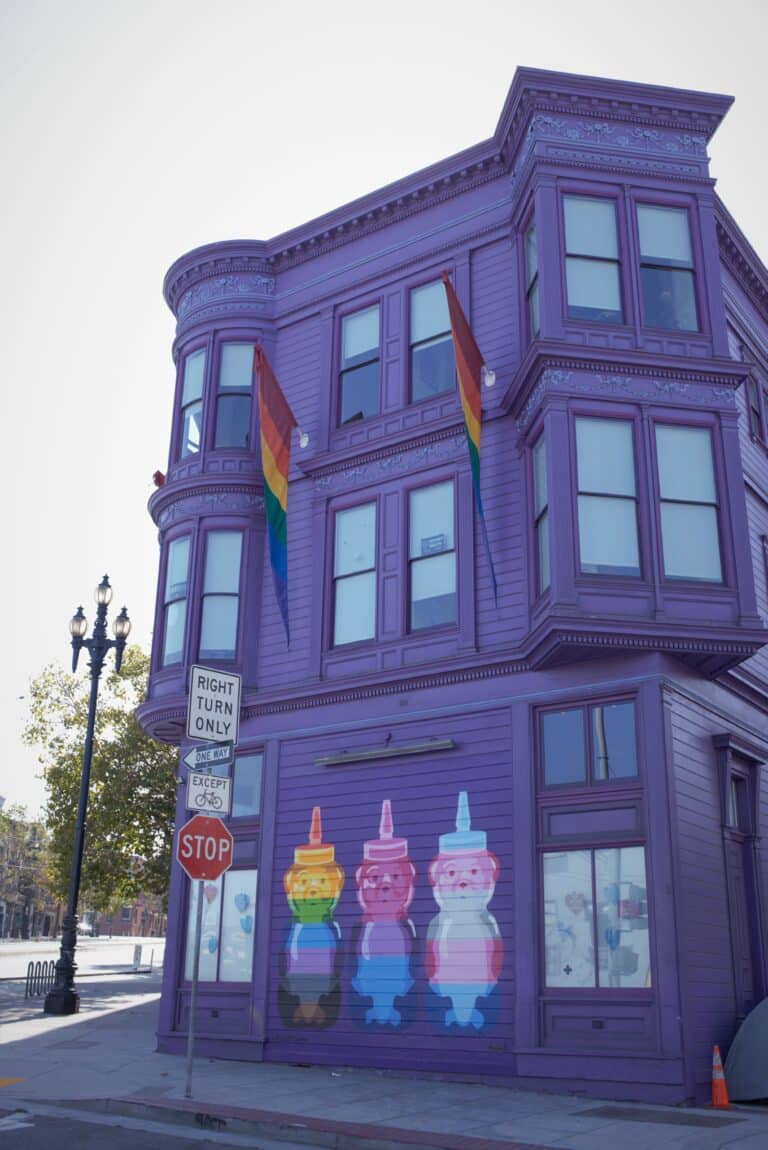
Street Art by Fnnch
Creativity Beyond the Mission
While the Mission is the cultural heart, street art pulses throughout San Francisco. Polk Street showcases LGBTQ+ pride murals that celebrate diversity and identity. Haight Ashbury blends its psychedelic past with contemporary graffiti styles. Even industrial corridors feature large-scale works that surprise visitors with bold techniques and modern aesthetics. Local artist Fnnch, known for his iconic honey bear murals, has become one of San Francisco’s most recognizable contemporary street artists. His work demonstrates how public art can become part of a city’s visual identity. The diversity of styles from photorealistic portraits to abstract expressionism highlights the city’s openness to artistic experimentation.
Street Art’s Cultural and Economic Influence
Street art significantly contributes to San Francisco’s tourism economy. Before the pandemic, the city welcomed over 23 million visitors annually, with art and culture ranking among the top reasons for travel. Mural walking tours in the Mission District are now among the most booked cultural experiences in the city.
Public art also strengthens neighborhood engagement. According to city cultural reports, community mural projects increase local foot traffic and small business visibility. As Keith Haring famously said, “Art is for everybody.” San Francisco embodies this belief by ensuring that creativity is not confined to elite gallery spaces.
Bring the Urban Energy Into Your Space
The beauty of street art is that its bold energy can live beyond city walls. If San Francisco’s vibrant murals inspire you, you can channel that same expressive power into your home or office. Explore contemporary and expressive works in our curated Street Art Collection at Elisium Art:
These pieces capture layered textures, striking colors, and modern urban storytelling perfect for collectors who appreciate art with attitude. San Francisco proves that art thrives when it is accessible, fearless, and rooted in community. When you walk its streets, you are not just sightseeing you are experiencing culture in motion.
Escrito por
Manasvi Vislot
Manasvi Vislot is an India based creative storyteller at Elisium Art. She blends global art trends with strategic digital insights, crafting content that connects readers with the evolving world of contemporary, digital, and cultural art. With her refined eye for aesthetics and a passion for making art accessible, Manasvi creates narratives that highlight the artists, ideas, and innovations shaping today’s creative landscape.
Las obras más vistas entre nuestros lectores

The Story of an Owl
36 W x 36 H Inch
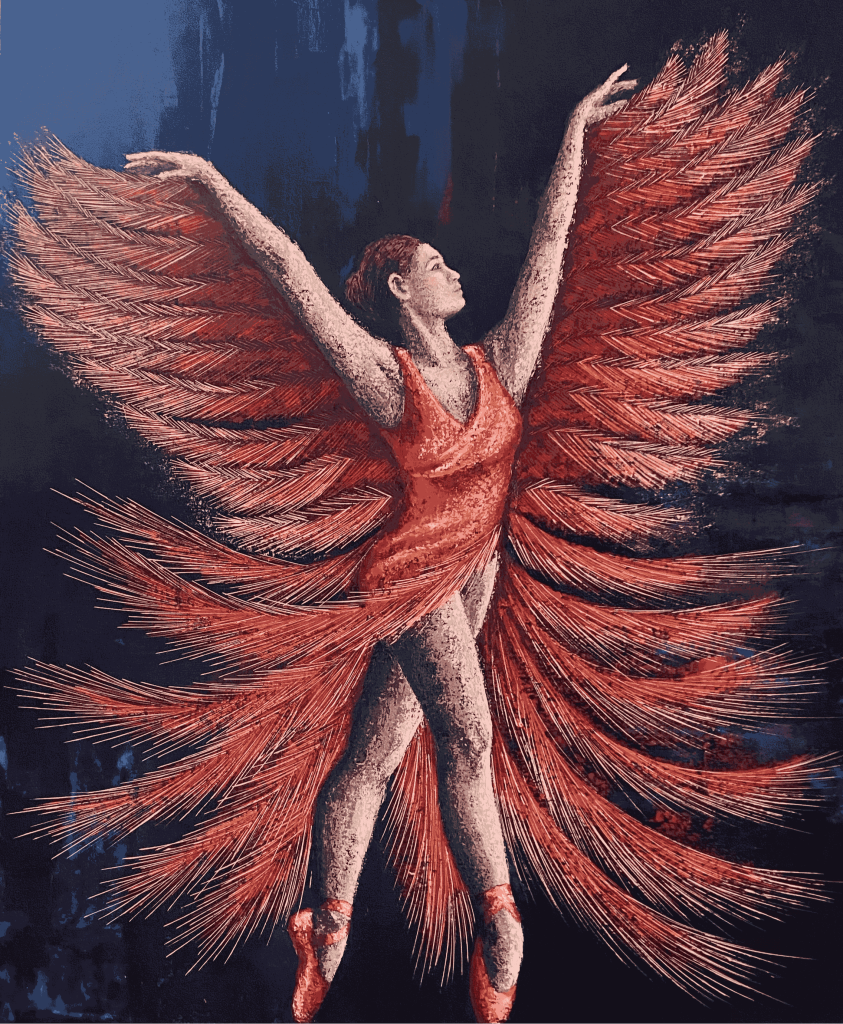
Pleasure Goddess
36 W x 48 H Inch

Ganesha
20 W x 24 H Inch

The More I Blossom (Print)
16 W x 20 H Inch

The Story of Peacock
72 W x 36 H Inch

The Story of a City
48 W x 36 H Inch