


 lOG IN





Evolution of Pop Art

Written by Manasvi Vislot
Views 210
 Published on 9 de enero de 2026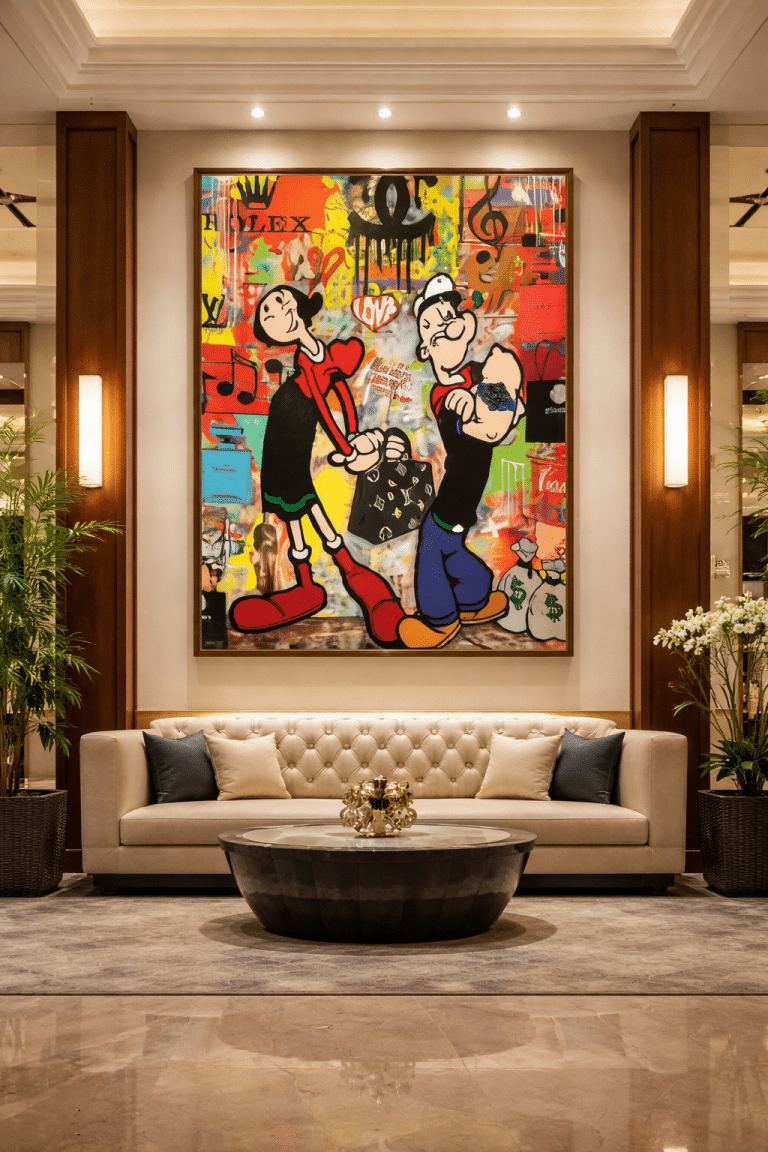
The evolution of pop art represents a major shift in modern art, where everyday objects, advertisements, and popular culture became the subject of fine art. Emerging in the 1950s, pop art challenged traditional artistic boundaries by embracing mass media, consumer goods, and celebrity culture. Instead of focusing on purely emotional or abstract themes, pop artists transformed ordinary imagery into bold, colorful artworks that reflected modern society. Over the decades, the movement has evolved from early experimental works to a global artistic style influencing painting, design, fashion, and digital culture.
The Origins of Pop Art in the 1950s
The early stage in the evolution of pop art began in post-war Britain and the United States. Artists started questioning the seriousness of traditional art movements and looked toward everyday consumer culture for inspiration. One of the earliest pioneers was Richard Hamilton, whose collage Just what is it that makes today’s homes so different, so appealing? became a defining early pop artwork.
Soon after, American artists like Jasper Johns and Robert Rauschenberg began incorporating everyday imagery such as flags, numbers, and newspaper prints into their paintings. These works marked a turning point where ordinary objects and popular culture started entering the world of fine art.
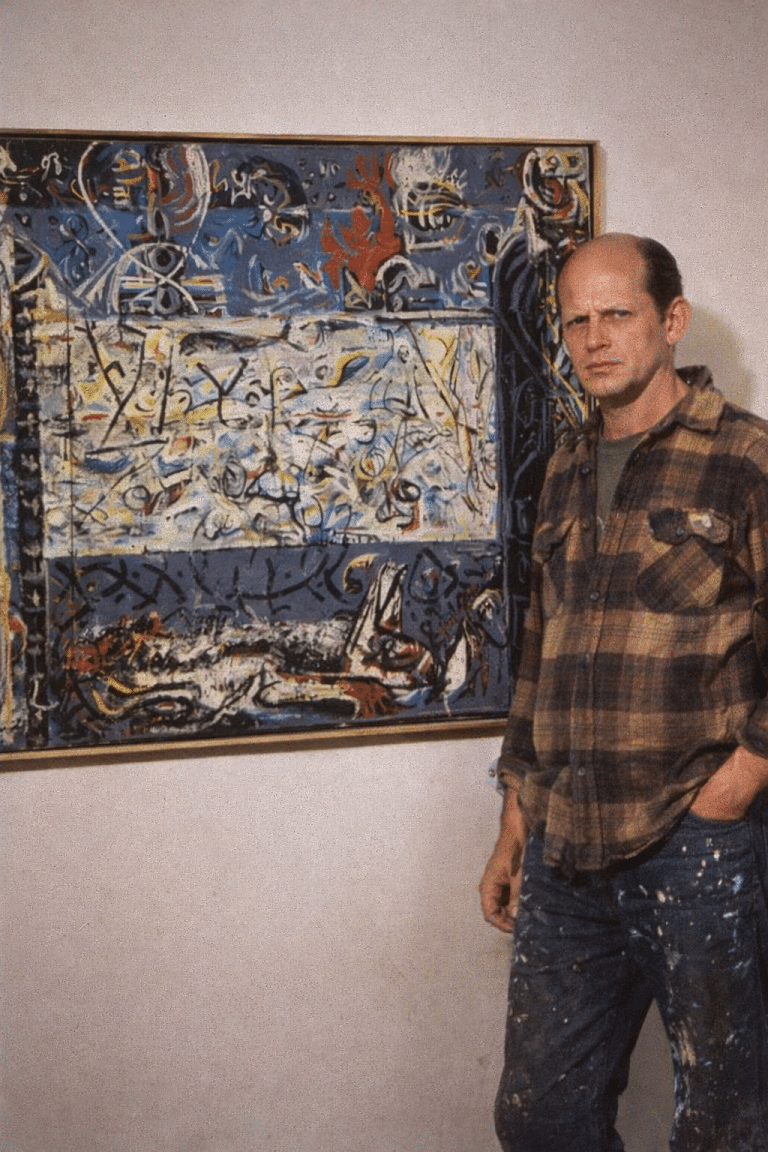
Guardians of the Secret by Jackson Pollock
The Pop Art Boom of the 1960s
The 1960s marked the golden era in the evolution of pop art, when the movement exploded into mainstream culture. Artists embraced commercial imagery, comic strips, and celebrity icons to reflect the rapidly growing consumer society.
One of the most famous figures of the movement was Andy Warhol, who turned everyday products like Campbell’s soup cans and images of Marilyn Monroe into iconic artworks. His studio, The Factory, became a hub for experimental creativity and collaboration. At the same time, Roy Lichtenstein reimagined comic book panels as large-scale paintings using bold outlines and Ben-Day dots.
Other influential artists such as Claes Oldenburg and James Rosenquist expanded the movement through large sculptures and billboard-style paintings. Their work blurred the boundaries between advertising, entertainment, and fine art.
Pop Art’s Transformation in the 1980s
During the 1980s, the evolution of pop art entered a new phase as artists began blending pop imagery with street culture and social commentary. One of the most influential artists of this era was JeanMichel Basquiat, whose graffiti-inspired works combined text, symbols, and raw energy to address identity, race, and power.
Another key figure was Keith Haring, known for his bold lines and vibrant figures that brought pop art aesthetics into public spaces. Around the same time, artists such as Jeff Koons introduced Neo-Pop, a modern continuation of pop art that celebrated consumer culture through large sculptures and highly polished installations.
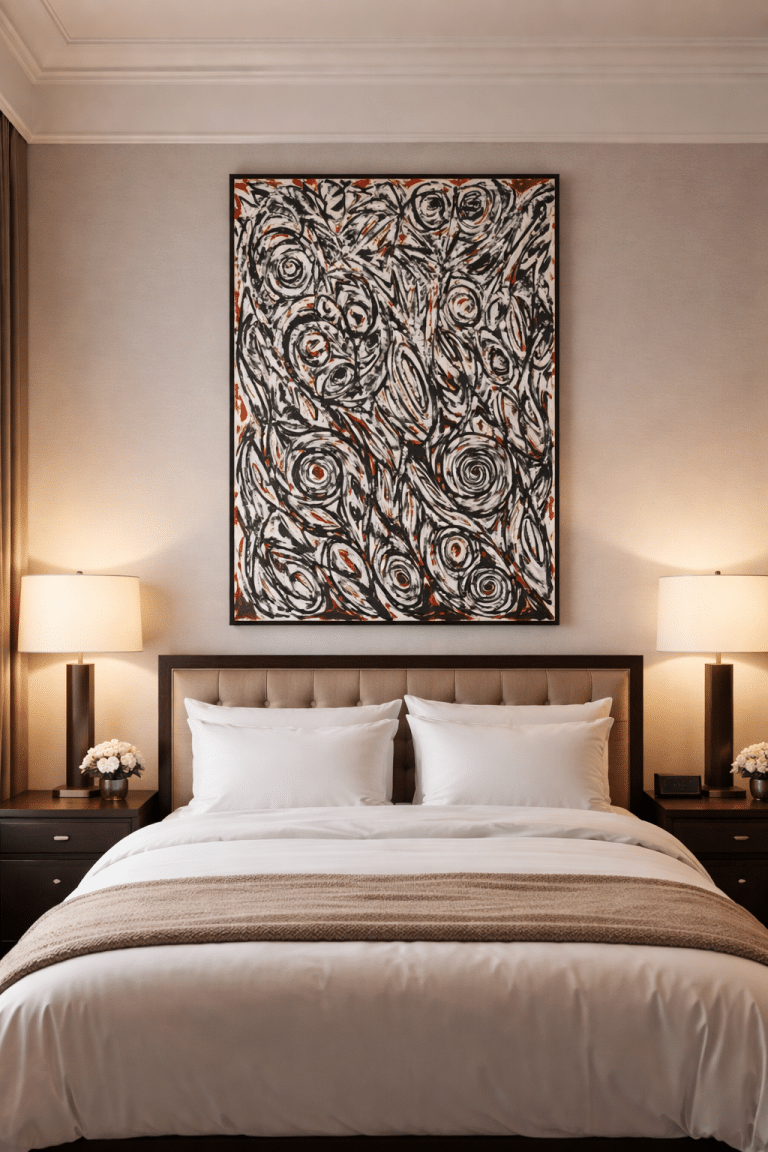
Night Creatures by Lee Krasner
Contemporary Pop Art and New Artists
Today, the evolution of pop art continues as contemporary artists reinterpret the movement for the digital age. Artists combine traditional painting with digital media, street art, and global cultural references. Modern pop art often explores themes like social media, celebrity culture, and globalization.
Contemporary artists such as Takashi Murakami have brought pop art into new territories by merging Japanese anime culture with fine art. Meanwhile, KAWS blends street art, design, and pop culture icons to create works that appeal to both collectors and younger audiences. These artists demonstrate how pop art continues to evolve while maintaining its connection to popular culture.
Escrito por
Manasvi Vislot
Manasvi Vislot is an India based creative storyteller at Elisium Art. She blends global art trends with strategic digital insights, crafting content that connects readers with the evolving world of contemporary, digital, and cultural art. With her refined eye for aesthetics and a passion for making art accessible, Manasvi creates narratives that highlight the artists, ideas, and innovations shaping today’s creative landscape.
Las obras más vistas entre nuestros lectores

The Story of an Owl
36 W x 36 H Inch
Pleasure Goddess
36 W x 48 H Inch

Ganesha
20 W x 24 H Inch

The More I Blossom (Print)
16 W x 20 H Inch

The Story of Peacock
72 W x 36 H Inch

The Story of a City
48 W x 36 H Inch