

 lOG IN





Curating Art & Climate: In Conversation with John Kenneth Paranada
Written by Kritika Saikia
Views 59
 Published on June 11, 2026
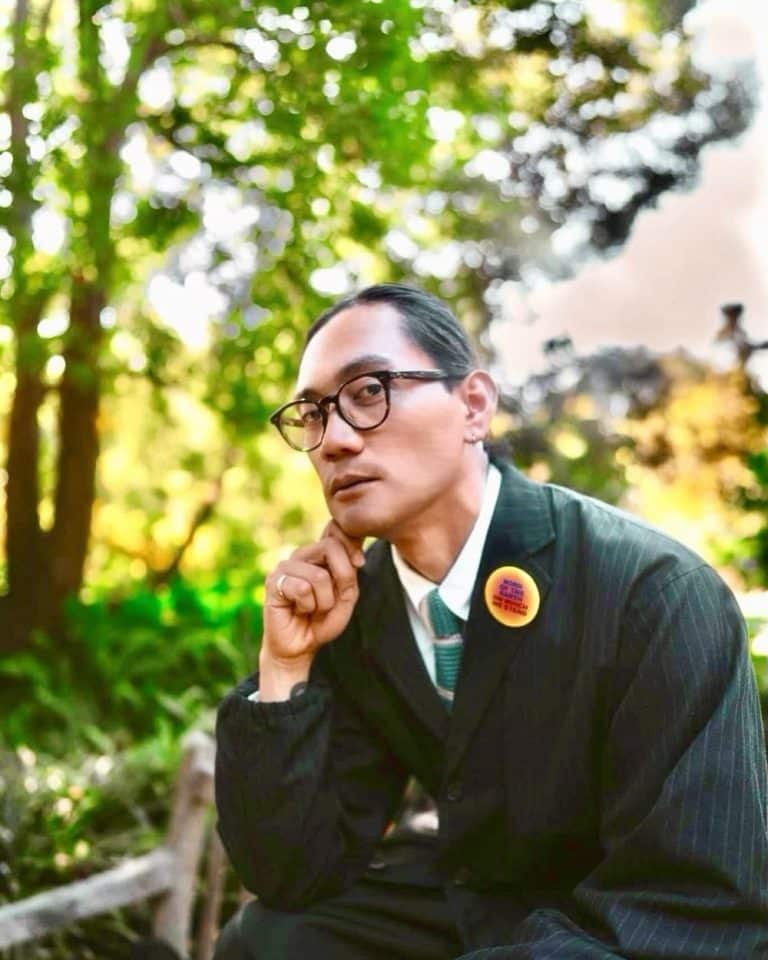
John Kenneth Paranada
In a time marked by climate urgency, social instability, and rapidly shifting geopolitical realities, art continues to emerge as a powerful space for reflection, dialogue, and transformation. Through Elisium Art’s Curator Spotlight Series, we engage with voices redefining how contemporary art can respond to the world around us.
In this conversation we spoke with John Kenneth Paranada, curator, writer, scholar and researcher whose work situates contemporary art within the intersecting fields of the environmental humanities, climate science, art history, anthropology, museum studies, and sustainability. He is Curator at Wellcome Collection, London, and previously served as the inaugural Curator of Art and Climate Change at the Sainsbury Centre, University of East Anglia, UK (2022 -2026), where he was also a researcher at the Tyndall Centre for Climate Change Research. His curatorial projects examine how artistic and scientific practices respond to the climate crisis and its implications for human health. He has curated exhibitions and programmes at the Sainsbury Centre, the Cultural Center of the Philippines, Nanyang Technological University Centre for Contemporary Art Singapore, RAW Material Company, Senegal, National University of Singapore Museum, and the Schomburg Center for Research in Black Culture, New York, among others. He studied at Sciences Po, Paris, Zürich University of the Arts, and Goldsmiths, University of London.
Art as a Space for Complex Conversations
Reflecting on what first drew him toward curating, Paranada shared that his journey was shaped by years of engaging with exhibitions that explored humanity, time, and the evolving relationship between art and the world around us. As he explained, “So it’s more like an accumulation of seeing so many inspiring exhibitions that talk about art changing climate, art place in the universe, big questions of art time, but also of the past. So art gives you all of these different entry points from the past, present, and future.”
He also reflected on the emotional and intellectual power of curating, saying, “But what drew me into curating is that it has this power to create different constellations, to renew our understanding of the world, renew what makes us human, what makes us kind of have this imagination of a better future.”
Coming from a background spanning art history, museum studies, politics, and the humanities, Paranada described curating as a process of creating spaces where stories, objects, and people converge to reimagine the future.
Rather than identifying one singular turning point, he described his curatorial journey as an accumulation of encounters with exhibitions that addressed climate, humanity, and the evolving role of art in society.
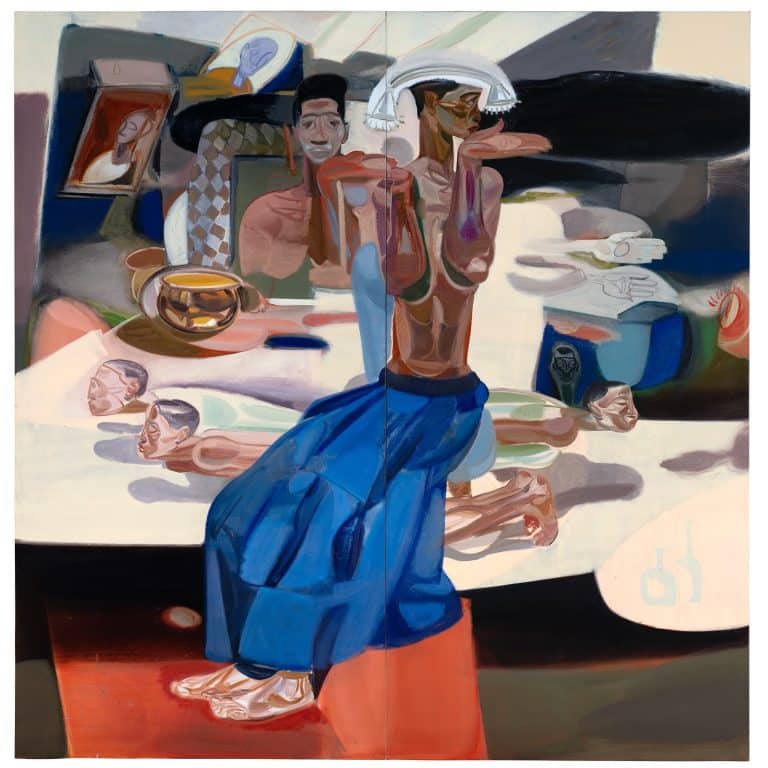
John Kenneth Paranada curated Roots of Resilience, the first UK museum exhibition of Ethiopian painter Tesfaye Urgessa at the Sainsbury Centre.
Reimagining Climate Conversations Through Exhibitions
One of the most compelling aspects of Paranada’s practice is his interdisciplinary approach. By bringing together artists, scientists, policymakers, activists, and communities, his exhibitions transform climate discourse into something emotionally accessible rather than abstract.
For Paranada, curating climate-focused exhibitions is not simply about presenting information—it is about building meaningful conversations. He emphasised the importance of avoiding overly academic language, consulting communities directly, and ensuring exhibitions resonate locally while addressing global realities.
As he explained during the conversation, “And because humans are naturally adaptable, resilient beings. And I think when we do come from different disciplines, and we gather together, and we look at a particular problem together, we produce more insights, we produce more kind of productive, creative solution making.”
He also reflected on how today’s geopolitical instability and environmental crises are deeply interconnected. Speaking about the role of art during moments of conflict, Paranada noted, “And with all of the geopolitical things happening right now, I think it tells us that we need to be focusing on renewable energy. We should be focusing on weaning off fossil fuels because it impedes us in terms of our energy growth or energy consumption when there’s a war happening at the moment. And so I think, again, the power of curating is that it connects people, ideas.”
This sentiment strongly echoed during the conversation surrounding Guernica by Pablo Picasso — a work that continues to symbolise the horrors of war and the emotional force of political art.
Referencing the painting, Paranada shared, “depicting the horrors of war and kind of like, you know, telling the story about that historical moment tells us that we should stop those things and we should actually build peace because war only causes more hatred.”
Museums in an Age of Climate Crisis
Traditionally associated with permanence and preservation, museums now face the challenge of responding to instability—ecological, political, and social. Paranada believes museums must actively evolve into spaces that address climate consciousness and collective responsibility.
He spoke about the urgent need for institutions to create programming that helps audiences understand how environmental systems, agriculture, technology, and human survival are interconnected.
“Museums must learn to work with the changing climate and the changing geopolitics of the world,” he noted during the conversation.
He further added, “And then that’s why I think museums in the 21st century should actively promote ecological consciousness in their exhibitions and in their programming.”
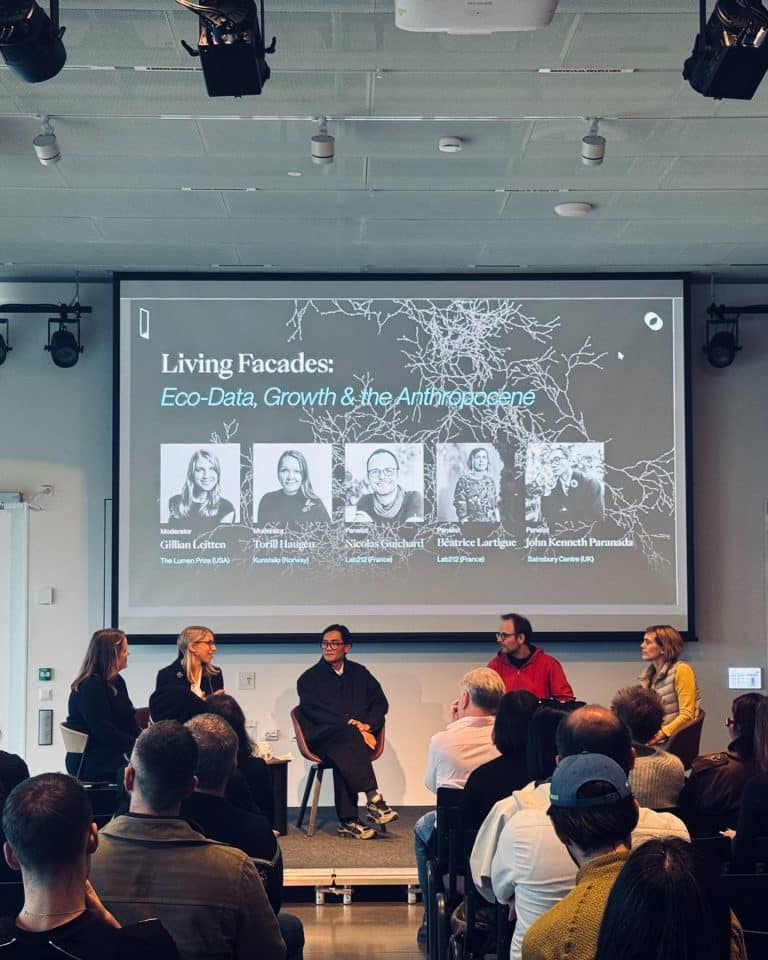
John Kenneth Paranada was among the panelists for Living Facades: Eco-Data, Growth & the Anthropocene at Kunstsilo.
Indigenous Knowledge and Ecological Wisdom
A recurring theme throughout the discussion was the significance of indigenous knowledge systems in conversations surrounding climate adaptation and resilience. Paranada stressed that while technological advancement is important, humanity must also relearn older ecological practices rooted in sustainability, balance, and coexistence with nature.
As he stated during the interview, “The history of how indigenous cosmologies and indigenous societies have protected the planet is a real wisdom that we need to learn from.”
From farming techniques to environmental stewardship, indigenous communities hold generations of ecological wisdom that modern societies often overlook. For Paranada, ethical curatorial practice involves listening carefully to these histories and ensuring they are represented with care and nuance.
Storytelling as Curatorial Practice
Narrative, according to Paranada, lies at the centre of meaningful exhibitions. Referencing projects such as Roots of Resilience and Coastal Kin, he explained how storytelling helps audiences emotionally connect with themes like migration, displacement, sea-level rise, and ecological transformation.
Whether discussing coastal erosion in vulnerable communities or the displacement caused by war and climate crises, these exhibitions reveal how environmental issues are ultimately human stories.
As Paranada explained, “it starts from stories that people might be interested to hear, to learn from, and to understand better.”
For Elisium Art, this perspective resonates deeply with our belief that art remains one of the most universal and emotionally powerful forms of communication.
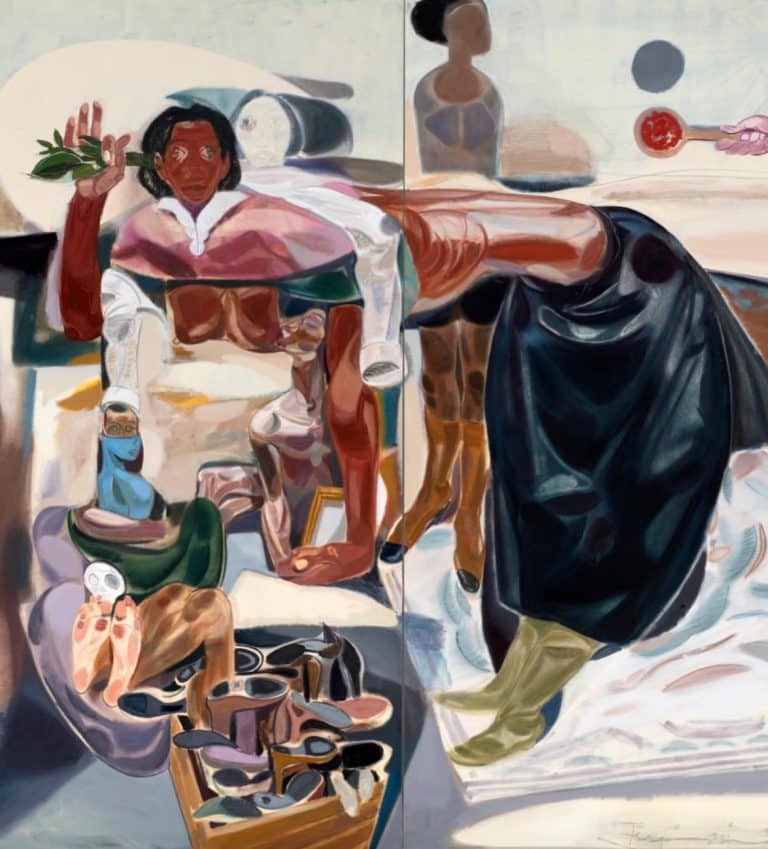
John Kenneth Paranada recently contributed to Roots of Resilience, the first UK museum exhibition of Ethiopian painter Tesfaye Urgessa at the Sainsbury Centre.
The Role of Digital Platforms in Contemporary Art
As digital spaces continue expanding access to art globally, Paranada also acknowledged the importance of platforms like Elisium Art in supporting underrepresented artists, socially engaged practices, and curatorial dialogue. Digital platforms, he explained, allow conversations surrounding exhibitions and ideas to move beyond physical spaces and become accessible to wider audiences worldwide.
Speaking about the value of digital platforms, he noted, “Again, having a platform to voice out artists that are overlooked or not really being presented, but they have a great story to tell. So I think these are the avenues for that.”
By connecting artists, curators, researchers, and audiences across geographies, digital platforms create opportunities for collaboration, visibility, and cultural exchange that may not otherwise exist.
Looking Ahead
As our conversation concluded, Paranada reflected on future projects exploring heatwaves, rising global temperatures, and how climate change increasingly impacts the human body and everyday life. From solar-powered design innovations to exhibitions examining sustainability through material culture, his future curatorial vision continues to bridge art, science, and ecological consciousness.
At the heart of his practice remains a simple yet urgent belief: planetary health and human health are inseparable.
As he powerfully concluded, “Planetary health is also human health. They are one and the same.”
Through conversations like these, Elisium Art continues to celebrate curatorial voices that challenge conventional thinking while using art as a catalyst for awareness, care, and collective imagination.
Written by
Kritika Saikia
Kritika Saikia is a writer and aspiring filmmaker with a passion for storytelling and a deep appreciation for the visual arts. Based in Guwahati, she brings a unique perspective to the Elisium Art marketing team, blending her love for narratives with a keen understanding of contemporary art. Her background in filmmaking and social media management allows her to craft engaging content that connects audiences with the diverse world of art, from the Western masters to the rich traditions of South Asian art. Kritika is dedicated to making art accessible and meaningful to all, using her writing and storytelling skills to illuminate the beauty and depth of artistic expression.
Most Viewed Artworks Among Our Readers

Whisper of the Tree
36 W x 48 H Inch

The Story of an Owl
36 W x 36 H Inch
Pleasure Goddess
36 W x 48 H Inch

Ganesha
20 W x 24 H Inch

The More I Blossom (Print)
16 W x 20 H Inch

The Story of Peacock
72 W x 36 H Inch