

 lOG IN





Street Art and Graffiti: History, Artists and Famous Works

Written by Manasvi Vislot
Views 170
 Published on March 14, 2026
This guide explores the birth of street art , graffiti , characteristics of street art , contemporary street art artists and the street art market today. Buy Street Art Online here
To be very specific, street art started on the streets, not in the galleries or art schools. It emerged on subways, alleyways, bridges and on the city walls. The first creators who started were very young people who wanted to express themselves without any legal or formal permission. The movement started with graffiti in New York during the early 1970s. It began with a simple tag, but then evolved into a major global art movement. Today’s art is present in auction houses, Private collections, museums, and everywhere. It has a very significant share in the art market. The journey reflects a shift from being labelled as a destructive public or private problem to being valued as art. It highlights how people often drive artistic change. It has grown not through institutions but from the ground. Hans Ulrich Obrist once said that the most exciting art often originates on the streets before institutions even recognise it. As noted in the Art Basel & UBS Market Report 2026, Post-war and contemporary art (the category in which most street artists fall) accounted for around 50% of total auction sales by value.
The Birth of Street Art
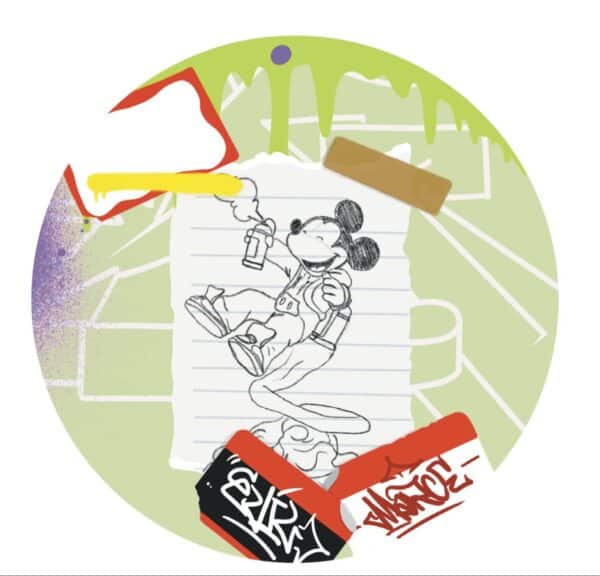
The birth of street art was in the late 1960s in Philadelphia and New York. At the time, teenagers began writing their names on walls, boxes, and subway cars. Early graffiti was very simple, but it carried a very strong message of identity and the presence of a person. Corn bread from Philadelphia was one of the first noticed taggers. Taki 183 from Manhattan played a role in the rise of popular tagging. These early artists were not trained formally, and they did not consider their work to be traditional art. Their vision inspired many others to start tagging this graffiti, which quickly evolved from simple names into more complex styles. tags developed into stylish lettering characters and large-scale murals.
The artist began competing for space and creative expression by the late 19 7070s, and graffiti became a core element of hip-hop culture. It counted rap DJing and breakdancing among its four pillars. Jeffrey Deitch described this era as a time when the city itself became the canvas for the people.
Graffiti: The Foundation of Street Art
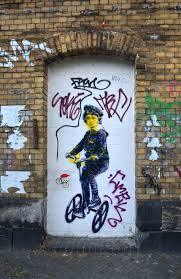
Graffiti existed way before murals, styles, and artists like Banksy. Early graffiti was mainly focused on letters and highly technical styles. It is often referred to as simple tagging, but in reality, it is very complex and requires skill. Wild Style graffiti includes interlocking letter forms, indicating, and using very advanced typography. More styles include bubble letters, 3-D composition and abstract forms.
Mastering graffiti required years of experience and practice, and the major comeback was that it has very high legal risks. Dodi White was a pioneer known for elegant lettering. Futura 2000 was known for merging abstract expressionism with graffiti. Lady Pink was one of the first and most prominent women in graffiti. All these artists played a very important role in shaping graffiti into a respected art, for they never gave up and worked under challenging conditions with high legal risk and very little financial reward. Graphite artists demonstrated real artistic skills.
Characteristics of Street Art
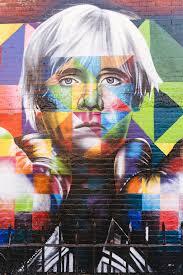
The street art’s impact stems from its public, accessible location. It is open to everyone. There is no requirement for tickets or art knowledge. People encounter it unexpectedly in their everyday life routine. It creates a sense of shared experiences and surprise. Street art is often large-scale, visually striking and attractive. It uses very bold colours and imaginative imagery to capture attention instantly and strike a chord. Instantly, it is designed to stand out from the other art types rather than to blend in.
The best street art carries a strong message and holds great meaning. The common themes include power, identity, inequality, and bias in public spaces. The main characteristic is that it connects directly with people, unlike art galleries, which speak to a wider audience. It speaks every day, and it speaks to everyone.
Contemporary Street Artists
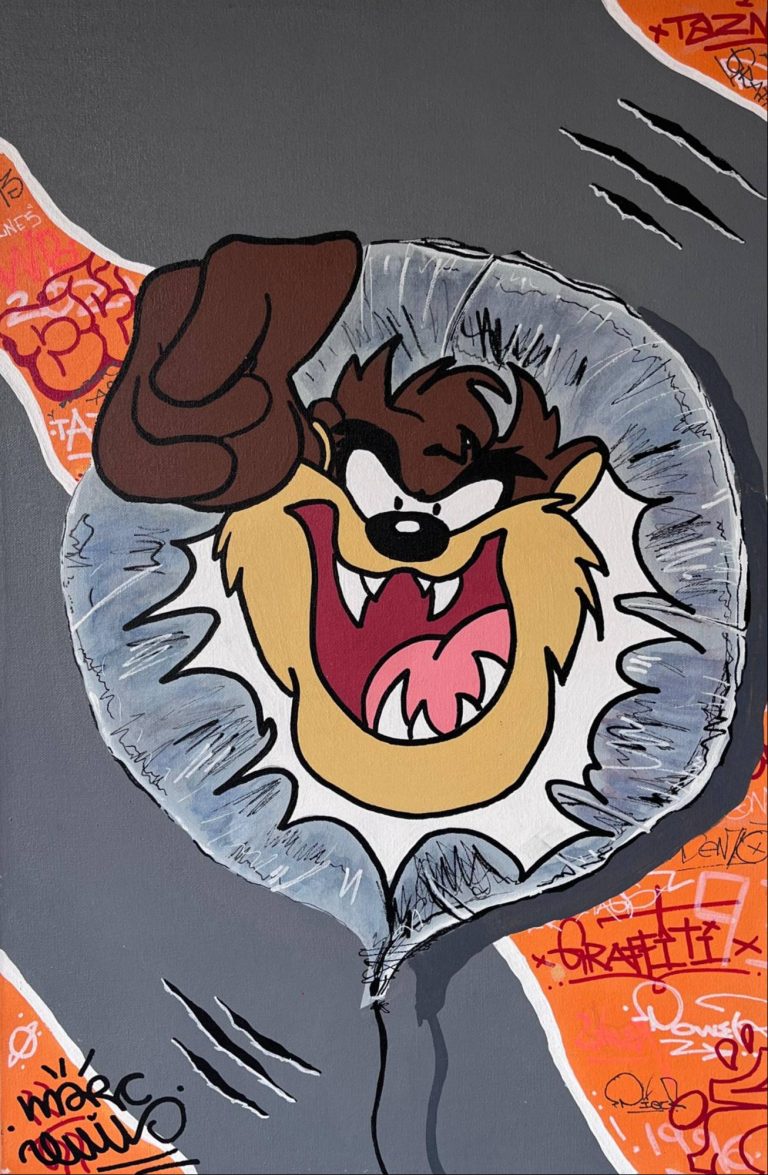
Banksy is one of the most famous living street artists. He is based in Bristol and is known for stencil art that criticises consumer society and politics. He combines his humour with sharp commentary. His true identity is still unknown. Banksy’s Love is in the Bin sold for £18.6 million ($25.4 million) at auction in 2021 (Source: Sotheby’s).
Shepherd Fairy gained fame through the Obey Giant campaign; he was widely recognised for his resemblance to wrestler Andre the Giant. Later, he designed the Iconic Barack Obama hope poster. He built his career from guerrilla art into mainstream recognition. JR creates massive black-and-white photographic installations and places large portraits of everyday people on buildings and in public spaces. His work highlights individuals and communities. Keith Haring’s works regularly sell between $1 million and $6 million (Source: Christie’s market data).
Invader installs Mosaic artwork inspired by Space Invaders. He places small, pixel-style pieces across cities worldwide; his works are collected and sought after by fans worldwide. Vhills carves portraits directly into the walls. He uses tools like drills and chisels to reveal layers beneath the surfaces; his work reflects texture, history, and urban identity.
Street Art and the Contemporary Art Market
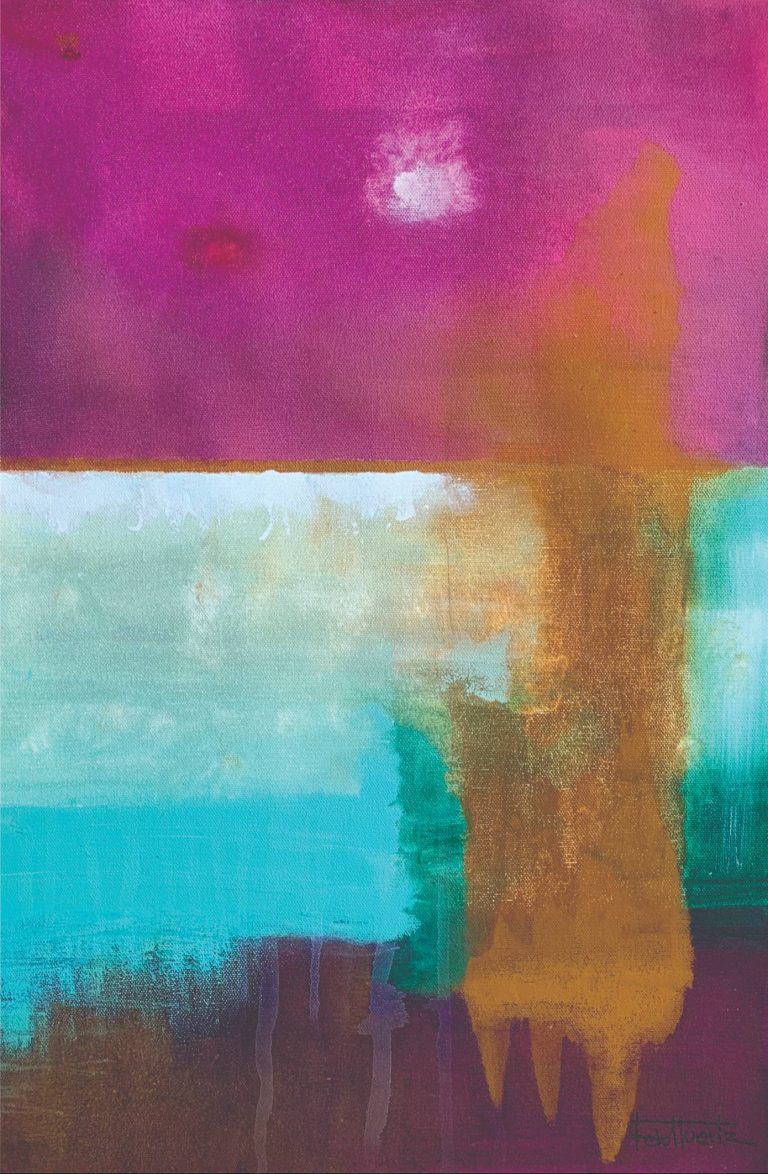
The traditional art world took time to recognise the value of street art. Cultural acceptance led institutions to embrace works by Banksy, Jean-Michel Basquiat, and Keith Haring, which are now selling for millions. Street art is featured at major International art fairs, and museums also host exhibitions dedicated to former Street artists.
This shift reflects changing ideas about what constitutes meaningful art. Audiences value art connected to real-life stories, communities, and people. Street art has always had an authentic and grounded connection.
The art market is catching up with what culture has already recognised. Hans Ulrich Obrist describes street art as one of the most democratic art forms, accessible to everyone and unavoidable. Street art’s core purpose has always been direct , real-world engagement with people. Online art sales reached approximately $11.8 billion, reflecting the growing discovery of street art online, as noted in the Art Basel Report 2026.
Written by
Manasvi Vislot
Manasvi Vislot is an India based creative storyteller at Elisium Art. She blends global art trends with strategic digital insights, crafting content that connects readers with the evolving world of contemporary, digital, and cultural art. With her refined eye for aesthetics and a passion for making art accessible, Manasvi creates narratives that highlight the artists, ideas, and innovations shaping today’s creative landscape.