

 lOG IN





Explore Best Street Art in New York

Written by Manasvi Vislot
Views 162
 Published on February 15, 2026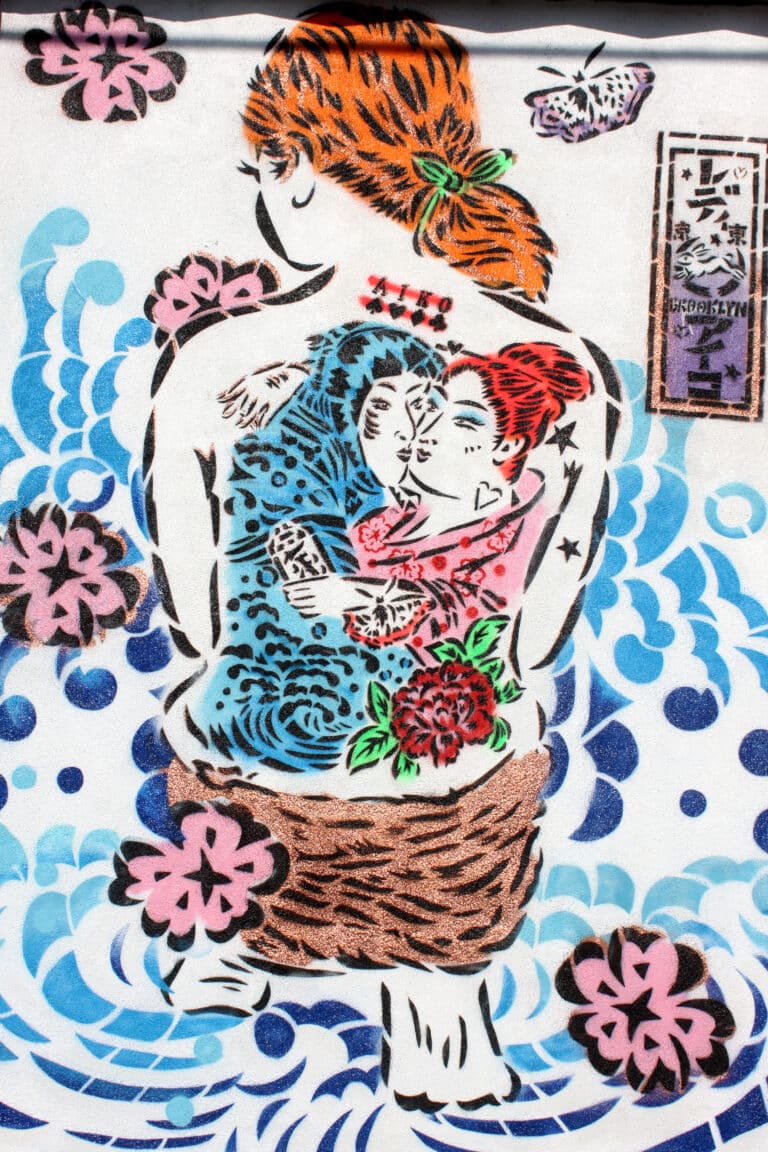
Artwork by lady aiko
New York City is one of the most influential street art capitals in the world. Across its neighborhoods, brick walls and industrial buildings have become massive canvases where artists express culture, politics, identity, and creativity. What started as graffiti on subway cars in the late 1960s has evolved into a global art movement.
The early graffiti scene was sparked by pioneers like TAKI 183, whose tags across subway trains inspired thousands of young artists to begin marking the city. Over time, New York’s streets transformed into open-air galleries where anyone could experience art without stepping inside a museum.
As curator Jeffrey Deitch once said, “Street art has the power to connect with people in a direct and visceral way.” That connection is what continues to make NYC one of the most exciting places for urban art.
Best Street Art Locations in New York City
Bushwick Collective – Brooklyn’s Street Art Hub
The Bushwick Collective is one of the most famous street art destinations in the world. Located in Brooklyn, the neighborhood features over 100 large-scale murals painted by international artists.
The murals rotate regularly, meaning the area constantly evolves with new styles, themes, and artists. Today Bushwick has become one of the most photographed street art neighborhoods in NYC.
The Bowery Wall – Manhattan’s Legendary Mural Space
The Bowery Wall in Manhattan’s Lower East Side is one of the city’s most historic street art locations.
Since the 1980s, the wall has featured murals from world-famous artists including Keith Haring and Shepard Fairey. Each mural remains for a limited time before being replaced, making it a constantly changing landmark.
Crack Is Wack – Harlem’s Most Famous Mural
One of the most iconic murals in New York is Crack Is Wack by Keith Haring, painted in 1986.
Created in response to the crack epidemic, the mural combines Haring’s playful pop-art style with a powerful social message. Today it remains a protected landmark near Harlem River Drive.
The Legacy of 5Pointz in Queens
Before its demolition in 2014, 5Pointz in Long Island City was considered the “graffiti mecca” of the world. The site featured hundreds of murals created by international street artists and played a major role in shaping modern urban art culture.
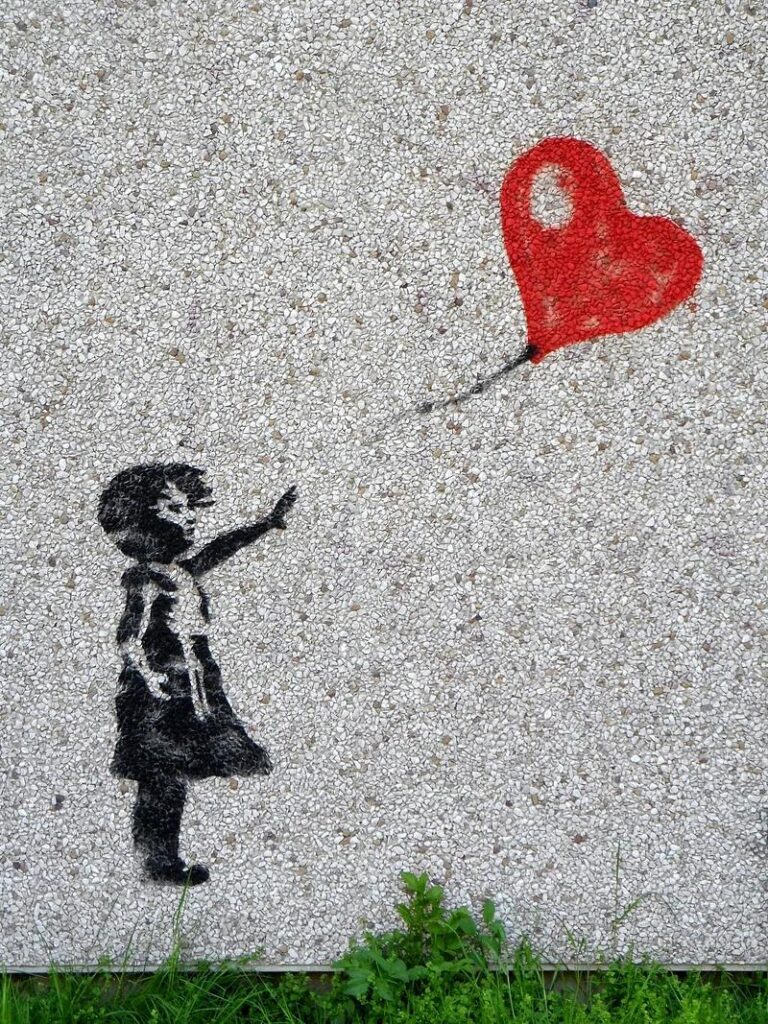
girl with a balloon by banksy
Influential Street Artists Connected to NYC
Keith Haring
Keith Haring helped bring street art into mainstream culture during the 1980s. His bold figures and simple lines carried strong social messages about AIDS awareness, drug abuse, and human rights.
Lady Aiko
Brooklyn-based artist Lady Aiko is known for blending Japanese aesthetics with Western graffiti techniques using spray paint, stencils, and collage.
Banksy
The anonymous British artist Banksy has also left several famous works across New York. His 2013 NYC street art residency attracted global attention and large crowds searching for each new installation.
Why New York Remains a Global Street Art Capital
New York’s street art scene continues to thrive because of its diversity, constant reinvention, and cultural influence. Murals across neighborhoods like Brooklyn, Harlem, and the Lower East Side reflect the voices and stories of the communities around them.
As street art collector Steve Lazarides once said, “Street art is the most democratic art form — it belongs to everyone.”
Bringing NYC Street Art Energy Into Your Home
The bold colors, layered textures, and expressive storytelling found on New York’s streets have inspired collectors around the world. Urban-inspired artworks capture that same vibrant energy seen across the city’s murals.
Explore the Street Art Collection at Elisium Art to bring the spirit of New York’s street art into your own space—where creativity, culture, and bold expression come together.
Written by
Manasvi Vislot
Manasvi Vislot is an India based creative storyteller at Elisium Art. She blends global art trends with strategic digital insights, crafting content that connects readers with the evolving world of contemporary, digital, and cultural art. With her refined eye for aesthetics and a passion for making art accessible, Manasvi creates narratives that highlight the artists, ideas, and innovations shaping today’s creative landscape.