

 lOG IN





The Heart as Art: Valentine’s Day Has Always Belonged to Artists

Written by Manasvi Vislot
Views 128
 Published on January 19, 2026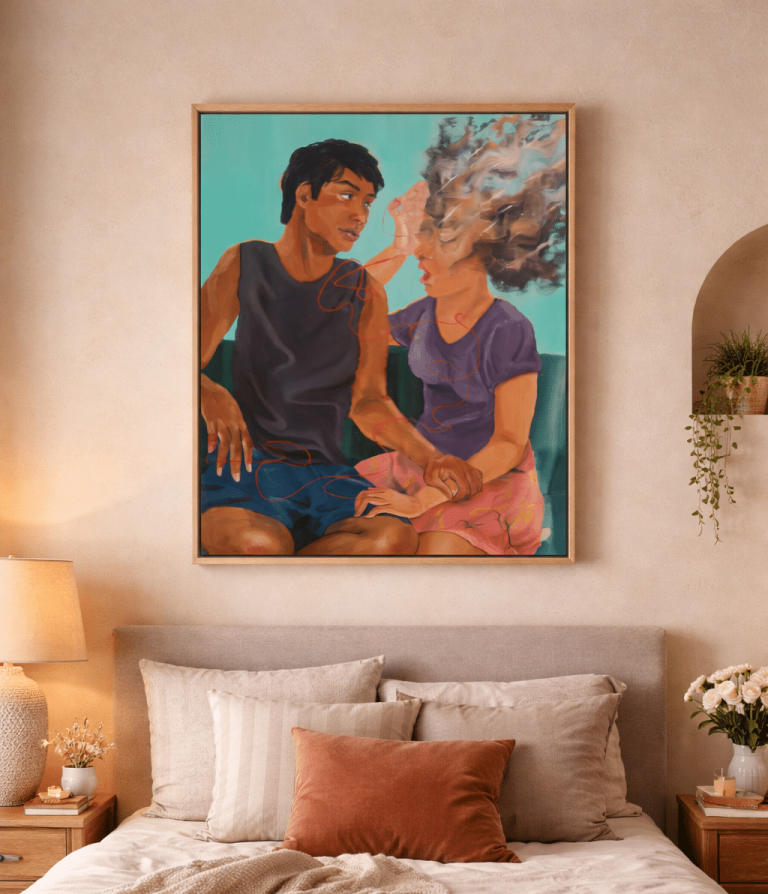
Valentine’s Day is often imagined as red roses, box chocolates, and crowded restaurants, but beneath the surface of these commercial rituals lies a deeper visual language shaped by artists across time. In a world where Valentine’s Day art is often reduced to mass-produced cards and seasonal decorations, true heart painting art invites us to reflect on love as a lived experience rather than a fleeting sentiment. This shift is particularly significant now, as consumers are expected to spend a record $27.5 billion on Valentine’s Day in 2025, with an average spend of approximately $188 per person. Numbers that illustrate the emotional and economic weight of this holiday in contemporary culture, according to the National Retail Federation.
Art’s power lies in its ability to restore emotional depth to love, reframing Valentine’s Day celebration from a one-day transaction into a lifelong dialogue. As renowned artist Marc Chagall once said, “Art must be an expression of love, or it is nothing,” reminding us that the creative act and the act of loving are inseparable at the deepest level. In this context, art for Valentine’s Day becomes more than decor; it becomes a reflection of human vulnerability, endurance, and connection.
The Heart in Art History
Throughout history, the heart has served as an artistic subject far more complex than a simple symbol of affection. In religious art, the sacred heart appeared as a testament to divine love and spiritual longing; Renaissance masters pursued anatomical heart painting with meticulous study, acknowledging the organ not only as a biological centerpiece but as a metaphor for life and feeling. Over time, artists shifted the depiction of the heart from symbolic cliché to emotional substance, using it to explore love’s ambiguities, fragilities, and endurance. This evolution from symbol → structure → emotion is mirrored in the heart-focused works we celebrate today.
Heart Painting Art vs Decorative Valentine Imagery
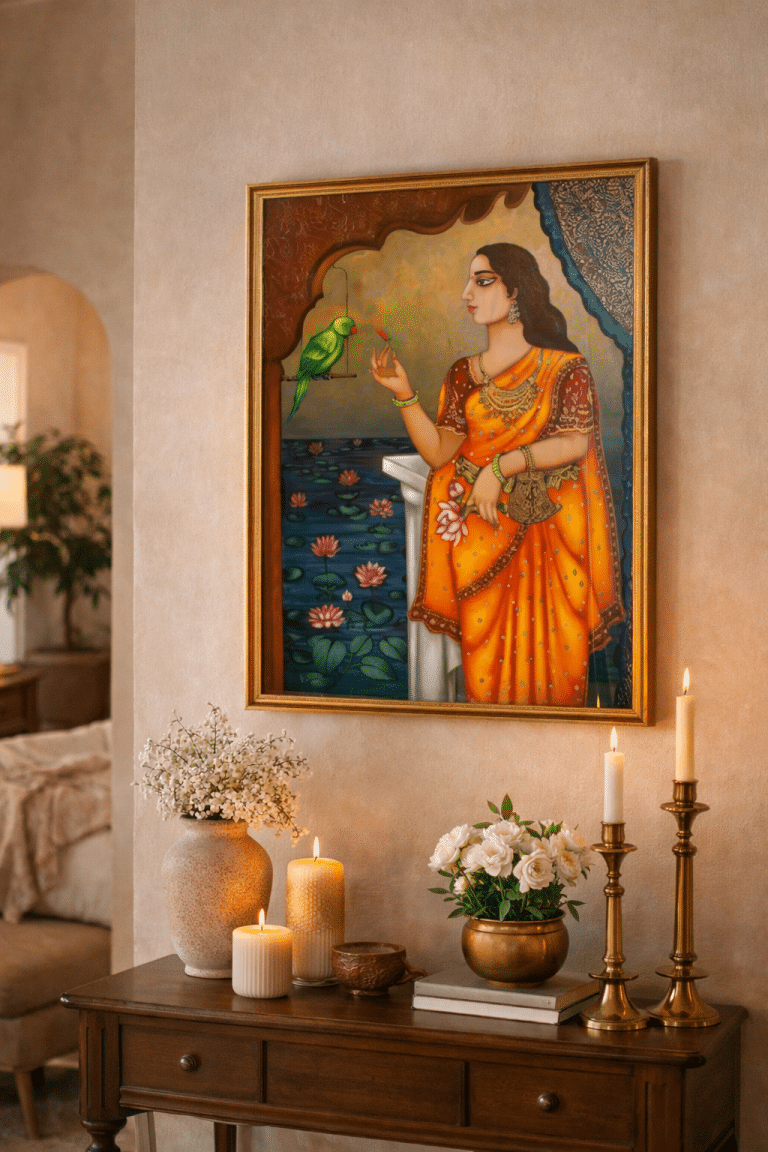
It’s easy, in February, to encounter heart shapes in every shop window, sweet, familiar, but often superficial. The difference between this decorative Valentine imagery and serious heart painting art is intention. Decorative hearts are designed for mass appeal and seasonal sale, whereas meaningful heart art is created to resonate with internal experiences, to challenge, comfort, or provoke. Serious collectors recognize this. They seek pieces that endure beyond February 14, artworks that function as wall art for Valentine’s year-round rather than fleeting ornaments.
Human Heart Artwork as a Metaphor for Real Love
At the heart of modern relationships is a paradox: love is at once universal and intensely personal. This is where human heart artwork becomes especially compelling. Unlike idealized hearts, anatomical or expressive heart art embraces vulnerability, imperfection, and emotional complexity. It reflects love not as a polished ideal but as something that beats, falters, and sustains us, much like relationships themselves. As art curator Wu Guanzhong insightfully said about emotional truth in art: “For people’s hearts to communicate, there must be genuine emotion to strike a chord.”
This resonance is precisely what makes heart-centered art ideal as anniversary gifts and proposal gifts: it speaks of genuine feeling and lasting commitment, rather than momentary sparkle.
Wall Art for Valentine’s Day That Lasts Beyond February
One of the richest aspects of curated heart art is its enduring presence. Unlike a bouquet that wilts or a box of chocolates that disappears, heartfelt art becomes part of a home’s visual memory. Whether placed in the bedroom, living room, or a private alcove, pieces that explore emotional truth serve as daily reminders of connection. This permanence elevates these works to more than seasonal pieces; they become woven into the fabric of everyday life.
Elisium Art’s Valentine Collection Stands Apart
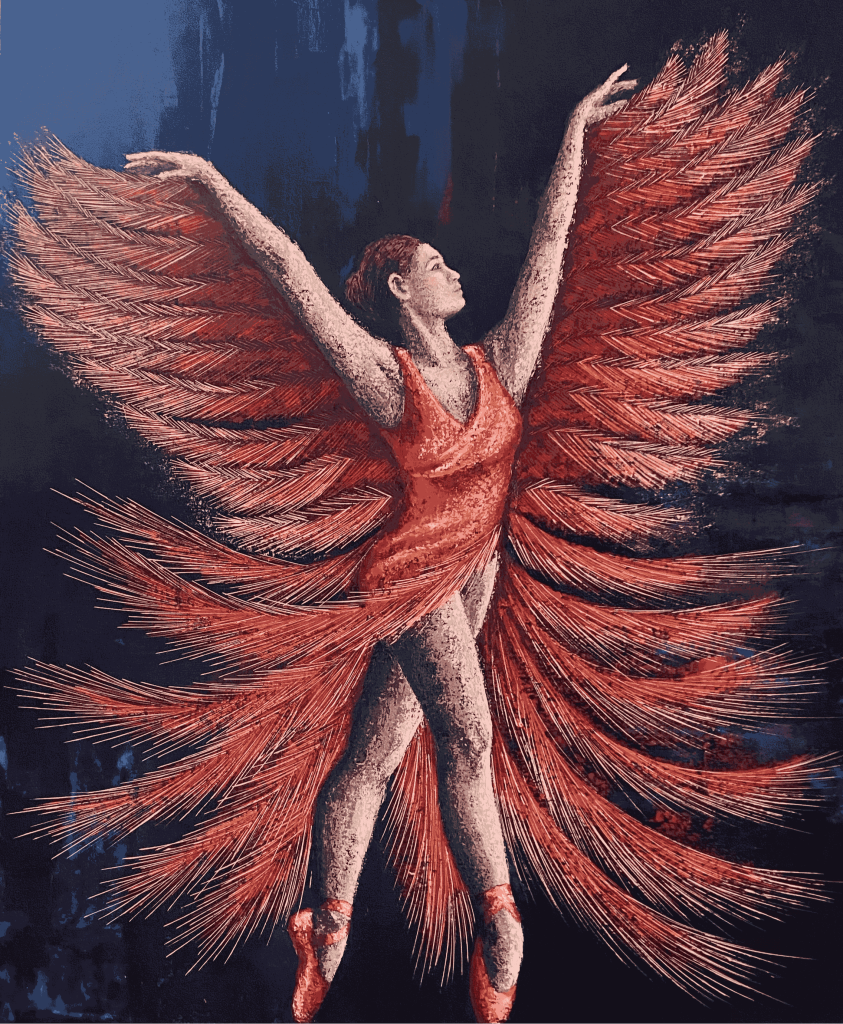
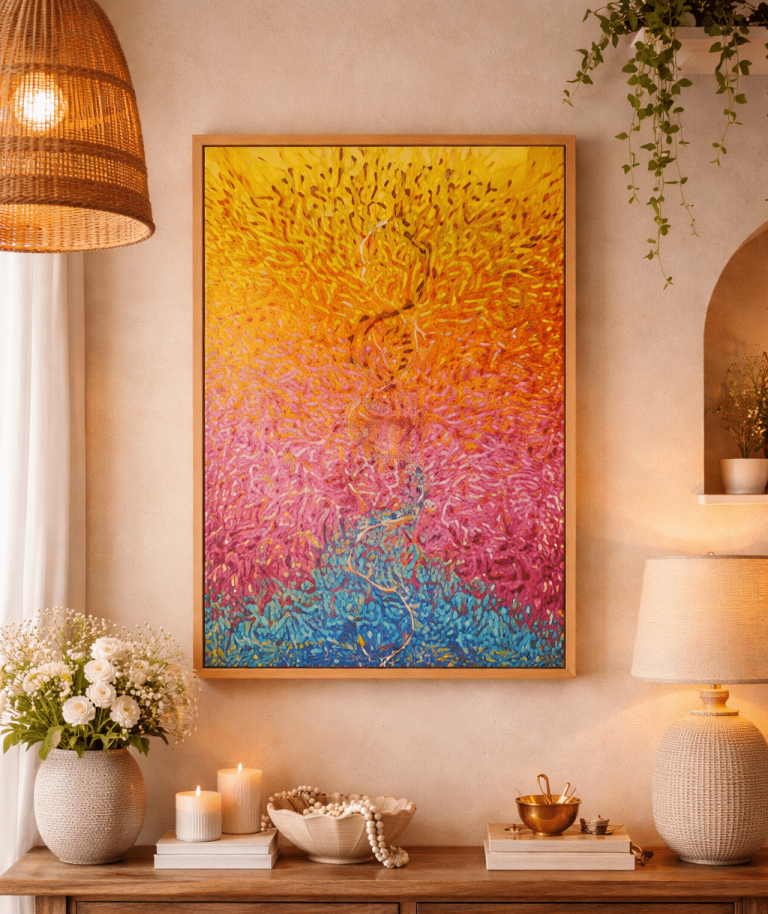
At Elisium Art, the Valentine’s Day collection is curated with this depth in mind. Artists are chosen not for trendy motifs, but for their capacity to express narrative, emotion, and introspection through form and texture. Sylvia Barrero, whose work is showcased throughout our gallery and whose artist profile highlights her thoughtful engagement with form and mood. One of her most evocative pieces for this season, The More I Blossom, exemplifies how art can capture the unfolding nature of love not as a static heart shape, but as a living, growing experience. You can explore the artwork here.Unlike mass-market Valentine gifts, these pieces speak quietly but deeply, offering collectors a way to express love with nuance and enduring beauty.
The HeArt Movement: Reclaiming the Heart as Meaning
The conversation around love, art, and emotional honesty continues beyond the gallery walls through The HeArt Movement. More than a hashtag, #TheHeArtMovement is a collective invitation to view the heart not as a cliché, but as a site of truth, vulnerability, and lived experience. By spotlighting heart-centered artworks that engage with growth, imperfection, and emotional depth, the movement encourages audiences to choose art that feels rather than performs. It reframes Valentine’s Day not as a moment of spectacle, but as an ongoing practice of care for partners, for others, and for oneself. Through this campaign, Elisium Art positions the heart not as decoration, but as dialogue: a space where art and emotion meet, and where love is allowed to be complex, resilient, and real.
Written by
Manasvi Vislot
Manasvi Vislot is an India based creative storyteller at Elisium Art. She blends global art trends with strategic digital insights, crafting content that connects readers with the evolving world of contemporary, digital, and cultural art. With her refined eye for aesthetics and a passion for making art accessible, Manasvi creates narratives that highlight the artists, ideas, and innovations shaping today’s creative landscape.